
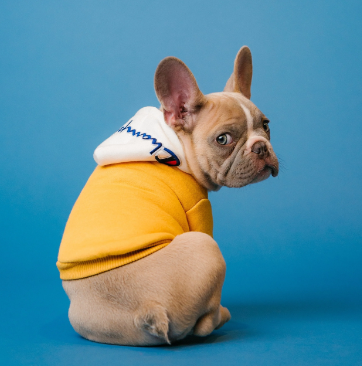
Dogs have long captured the hearts of many, making them natural stars in advertising. Brands utilize these loyal companions not only for their endearing qualities but also for the messages they can convey.
1. The Emotional Connection
One of the primary reasons dogs are featured in advertising is their ability to evoke strong emotional responses. Studies show that people tend to associate dogs with positive feelings such as loyalty, love, and companionship. Brands like Budweiser have effectively capitalized on this emotional connection, utilizing a storyline featuring a puppy and a Clydesdale that tugs at the heartstrings of viewers. Such narratives create a lasting impression, fostering a sense of goodwill towards the product.
Moreover, the use of dogs can significantly enhance brand recall. When consumers see a memorable dog in an advertisement, it makes the brand more relatable and trustworthy. For instance, the iconic “Puppy Love” Super Bowl ad led to an increase in both brand perception and sales for Budweiser. This highlights how utilizing dogs in marketing can translate into tangible business benefits. Beyond live dogs in commercials, a distinctive dog sculpture used in a storefront, event display, or brand installation can also strengthen emotional recognition by turning the canine image into a lasting visual symbol.
-
- Choose a dog that resonates with your target audience.
-
- Craft a narrative that showcases emotional bonds.
-
- Incorporate humor alongside heartfelt moments.
-
- Engage with viewers via social media to enhance emotional connection.
-
- Utilize visually appealing imagery to complement the story.
2. Aligning Brand Values with Canines
As consumers become more conscious of brands’ values, aligning dogs’ traits with a brand’s core message is crucial. For example, companies that promote environmental sustainability often showcase rescue dogs. This not only emphasizes the dogs’ innate qualities of loyalty and trust but also mirrors the brand’s commitment to socially responsible practices. Brands like Subaru have effectively used this strategy, featuring rescue dogs in their campaigns, which resonates well with a socially conscious audience.
The alignment between brand values and canine attributes extends to promoting inclusivity and compassion. Brands that use service dogs in their advertisements, like Guide Dogs for the Blind, can manifest a sense of service and support, effectively enhancing their brand image. This strategic alignment helps cultivate a loyal customer base that identifies with the brand’s mission and values.
-
- Identify your brand’s core values.
-
- Choose dog breeds or stories that embody those values.
-
- Make ethical choices when selecting dogs for your campaigns.
-
- Highlight the impact of your brand on animal well-being.
-
- Engage the community through responsible dog adoption initiatives.
3. The Impact of Social Media
In today’s digital age, social media plays a pivotal role in how dogs represent brands. Platforms like Instagram and TikTok have enabled brands to create viral content featuring dogs, which often leads to a significant increase in reach and engagement. Companies like Petco have embraced user-generated content, encouraging customers to share photos of their pets with the brand’s products. This generates community involvement and allows for authentic interactions.
Furthermore, leveraging influencers who are also dog owners can create an authentic connection with potential customers. Brands that partner with pet influencers can effectively showcase their products in relatable situations. An example is the collaboration between Chewy and pet influencers on various platforms, leading to heightened engagement and increased sales.
-
- Establish a strong social media presence.
-
- Encourage customers to share their own dog stories.
-
- Collaborate with pet influencers for authentic promotion.
-
- Use hashtags strategically to enhance visibility.
-
- Create engaging and shareable video content involving dogs.
4. Ethical Considerations in Dog Advertising
While featuring dogs in advertising can be successful, brands must also be cautious about ethical implications. Misrepresenting a dog’s welfare or using breeds with negative stereotypes can harm both the brand and the dogs involved. Brands must ensure that all dogs used in their advertising campaigns are treated ethically and with respect, representing a positive image in every aspect. This is particularly important in a world where animal rights advocacy is more prominent than ever.
Moreover, using rescue dogs not only helps in promoting animal welfare but also adds value to the brand’s image, as seen with brands like Pedigree and their “Adopt a Dog” campaigns. By highlighting adoption in their marketing, brands can take a stand for a good cause while also enhancing customer loyalty.
-
- Ensure all dogs are well cared for during campaigns.
-
- Educate consumers about responsible pet ownership.
-
- Promote adoption and rescue initiatives.
-
- Avoid using breeds with negative stereotypes unless focusing on changing perceptions.
-
- Engage with animal rights organizations to bolster credibility.
In conclusion, dogs in advertising not only help brands connect emotionally with consumers but also allow for the expression of brand values and ethical standards. By strategically utilizing canines, brands can achieve a successful marketing outcome while promoting responsible messages. As a dog lover or brand manager, consider integrating these practices into your strategy to enhance your brand’s narrative.