
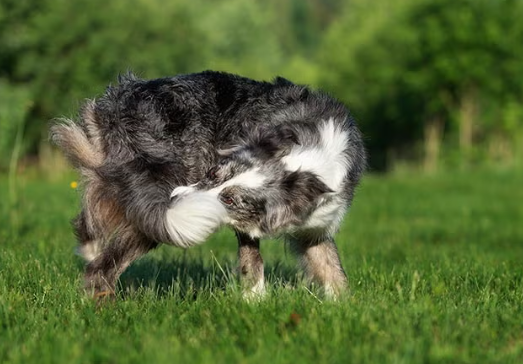
Ever watched your dog spin in circles, trying to catch their tail? This amusing behavior raises questions for many dog owners. Let’s delve into the reasons behind this quirky canine pastime.
1. Instinctual Behavior
Chasing their tails is often a natural instinct for dogs. Puppies are especially prone to this behavior as they explore their bodies and their environment. The tail is a part of their anatomy that catches their attention, prompting them to investigate and, in some cases, playfully chase it.
This instinct may hark back to their predatory ancestors who utilized their keen senses to hunt and survive. For some breeds, tail-chasing resulted from an innate drive to capture prey. Even domesticated dogs retain some of these instinctual tendencies, which can manifest as tail-chasing during playtime.
-
- Observe your dog’s surroundings to ensure they are stimulated.
-
- Offer toys for healthy playtime instead of letting them fixate on their tails.
-
- Encourage interactive games that involve chasing, fetching, and retrieving.
-
- Consider training sessions that can channel their energy positively.
2. Boredom and Lack of Stimulation
Many dogs chase their tails out of boredom. If your furry friend spends long hours alone with little to occupy their time, they might resort to tail chasing as a form of entertainment. This behavior can also signal that they need more exercise, mental challenges, or social interaction.
For dogs that are not adequately stimulated, tail-chasing can become repetitive and even compulsive. Not only can this behavior be concerning, but it can also lead to self-inflicted injury if they chase their tails too vigorously. Therefore, identifying signs of boredom early can help prevent this problem from escalating.
-
- Introduce new toys or rotate existing ones regularly.
-
- Take daily walks or runs to expend energy effectively.
-
- Engage your dog with interactive puzzles that challenge their mind.
-
- Organize playdates to encourage social interaction and exploration.
3. Health-Related Issues
While it may seem playful, tail-chasing can sometimes be a sign of underlying health problems. Conditions like allergies, fleas, or skin irritations can make a dog feel discomfort, prompting them to chase their tails in an attempt to relieve it. In some cases, tail chasing can hint at neurological issues or compulsive behaviors that may require professional intervention.
If your dog exhibits excessive tail-chasing, it’s crucial to observe their overall health. Additional behaviors, like excessive scratching or changes in eating habits, can provide essential clues. A visit to the veterinarian may be warranted to rule out any serious health concerns.
-
- Monitor your dog for signs of discomfort or changes in behavior.
-
- Inspect their coat and skin for signs of irritation, fleas, or other issues.
-
- Keep a diary of any behavioral changes or health symptoms to discuss with your vet.
-
- Schedule regular veterinary check-ups to maintain your dog’s health.
4. Attention-Seeking Behavior
Dogs are incredibly social animals and often seek attention from their owners. Some may learn that chasing their tails elicits a response from their humans, whether that’s laughter, concern, or even reprimands. Over time, the dog may see tail-chasing as a fun way to grab your attention, even if it’s negative.
This attention-seeking behavior can become problematic if it disrupts your daily routine or leads to inconsistent interaction with your dog. It’s essential to ensure that your dog receives plenty of positive attention for desirable behaviors rather than focusing on behaviors you want to discourage.
-
- Reward positive behaviors that you want to encourage instead of giving attention for tail chasing.
-
- Try to redirect attention by teaching your dog commands or tricks.
-
- Establish a consistent routine for playtime and bonding activities.
-
- Educate all household members to ensure consistent responses to your dog’s behaviors.
5. Social Interactions
Some dogs chase their tails as a form of social interaction, particularly when interacting with other dogs. It can serve as a playful invitation for other dogs to join in. This behavior often surfaces in dog parks or during playdates, highlighting the social nature of dogs.
Ultimately, engaging in tail-chasing can be part of a playful repertoire that encourages bonding with other canines. Observing how dogs interact gives valuable insights into their social dynamics and playful tendencies, finding joy in the chase, whether it’s their tail or a friend’s.
-
- Observe your dog’s behavior with other dogs to gauge their interactions.
-
- Encourage play with dog-friendly environments, like parks or doggy daycare.
-
- Facilitate first-time meetings in a controlled manner to ensure comfort.
-
- Consider training sessions to enhance socialization skills among dogs.
Understanding why dogs chase their tails can enrich your relationship with your furry friend. Whether it’s instinct, boredom, health, or a social signal, recognizing the underlying motivations allows for better care and engagement. Should your dog’s tail-chasing persist or escalate, consulting a professional trainer or veterinarian could provide tailored solutions based on their unique needs.