
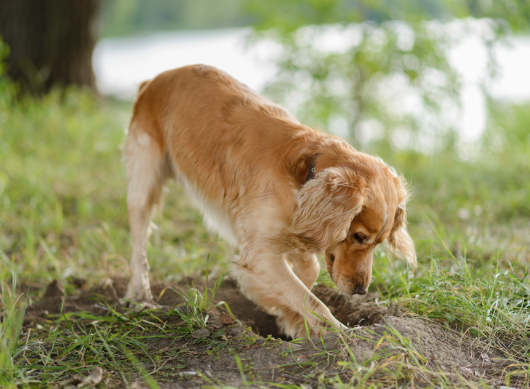
Dogs are known for their playful antics, but one behavior that often leaves owners puzzled is digging holes. While it may seem disruptive or annoying, this natural instinct can stem from various motivations. Understanding why dogs dig can help owners manage and redirect this behavior effectively.
1. Instinctive Behavior
Digging is a deeply ingrained behavior for many dog breeds, influenced by their ancestry. Breeds such as Terriers were originally developed to hunt small burrowing animals, and their instinct to dig is just a manifestation of that heritage. Even when they are well-fed and cared for, these breeds may still feel the urge to dig as a way to express their natural instincts.
Furthermore, digging can provide mental stimulation and exercise, which is crucial for your dog’s well-being. Without adequate physical activity or mental challenges, dogs may resort to digging as a way to entertain themselves. Understanding this instinct allows owners to offer alternative activities that can satisfy this natural craving.
-
- Provide toys that mimic hunting or digging.
-
- Engage in regular outdoor activities like fetch or agility training.
-
- Enroll your dog in obedience or agility classes for mental stimulation.
-
- Use interactive puzzles that require them to “dig” for rewards.
2. Seeking Comfort and Shelter
Many dogs dig to create a comfortable resting place, often in a spot that feels secure or sheltered. This behavior is particularly prevalent in outdoor dogs, who may dig in search of cool ground during hot weather or warmth during cold months. By creating a digging spot, they can establish a safe haven where they feel protected.
Dogs are also known to dig when they experience anxiety or stress, creating a burrowed area that they perceive as safe. This behavior can be exacerbated by loud noises, separation from their owner, or changes in their environment. Recognizing this emotional component is key to addressing the underlying issue, rather than just curbing the digging itself.
-
- Create a designated digging area in your yard to promote safe digging.
-
- Provide cooling mats or sheltered areas for comfort.
-
- Spend quality time with your dog to reduce anxiety.
-
- Consider calming products if they seem overly stressed.
3. Attention Seeking
Some dogs dig holes as a way to grab their owner’s attention. If a dog learns that digging prompts a reaction—whether positive or negative—they may repeat the behavior to engage their owner. This is particularly common in dogs that feel they are not getting enough exercise or attention otherwise.
If your dog digs when they are bored or seeking more interaction, providing your dog with regular attention or playtime could reduce the need for such actions. Moreover, engaging them in activities that fulfill their social and physical needs can significantly decrease undesirable digging behavior.
-
- Schedule playtime or walks daily.
-
- Incorporate training sessions for mental stimulation.
-
- Introduce interactive toys that can keep them busy.
-
- Establish a consistent routine to help them understand what to expect.
4. Exploring or Hunting
Many dogs dig simply out of curiosity or the instinct to explore their environment. The world is an exciting place filled with interesting scents, hidden creatures, and various textures. Digging allows a dog to investigate these curiosities more deeply, especially when they detect something buried beneath the soil.
Sometimes, the digging can lead to more than just exploration; it might become a hunting expedition! Dogs might dig to unearth small animals, bugs, or roots that spark their interest. Providing ample opportunities for safe exploration can redirect this behavior into more acceptable forms.
-
- Take your dog on new trails or to different parks for exploration.
-
- Engage them in scent games where they can use their nose to search for treats.
-
- Encourage digging in designated areas specifically meant for exploration.
-
- Provide enrichment activities that mimic hunting behavior, like hide-and-seek.
5. Reactions to Environmental Factors
Environmental factors such as temperature changes, rain, or even the presence of other animals can trigger digging behavior. Dogs will often dig to create a cooler place to lie during hot days or to find dry ground after rain. In some cases, they may dig to escape, driven by curiosity or a desire to follow other animals.
This behavior can also reflect stress in reaction to environmental changes, such as new people, animals, or even moving to a new home. Awareness of these triggers helps owners anticipate and mitigate unwanted digging behavior before it becomes a habit.
-
- Monitor your dog’s environment for stressors.
-
- Provide climate-controlled spaces for comfort.
-
- Limit exposure to unfamiliar animals, especially in your yard.
-
- Use positive reinforcement to encourage desired behaviors instead of digging.
Understanding why dogs dig holes is essential for effective pet ownership and relationship building. By recognizing and addressing the reasons behind this behavior, owners can create a safer and more fulfilling environment for their furry friends. Keep an eye on your dog’s emotions and needs, and consider reaching out to a professional if the digging becomes distressing or concerning. Sometimes, a simple dog statue in the yard can serve as a gentle reminder of the bond you share—standing still, yet symbolizing the patience and understanding that every real dog deserves.