
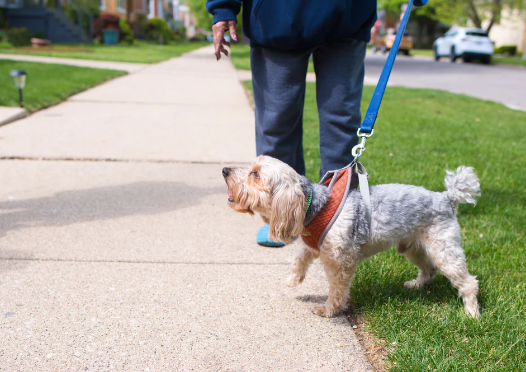
Dogs are known for their unique ways of communicating, and barking is one of their primary forms of expression. Understanding why your furry friend may bark at strangers can provide insights into their behavior and help you address any concerns. In this blog post, we’ll explore the reasons behind barking at unfamiliar faces and offer practical tips to manage this behavior.
1. Instinctual Behavior
One of the fundamental reasons dogs bark at strangers is due to their instinctual behavior. Dogs are naturally territorial animals, and barking serves as a warning signal to intruders. When a stranger approaches, your dog may feel the need to assert their territory, letting the stranger know they are present and alerting their owner. This behavior is deeply rooted in their lineage, as many breeds were historically used for protection and guarding.
In addition to being territorial, dogs have an innate protective instinct toward their families. When they perceive a potential threat in the form of a stranger, their protective nature kicks in, leading to barking. This is especially true for breeds known for their guarding abilities, such as German Shepherds and Doberman Pinschers. Understanding this can help owners see that barking is a dog’s way of expressing concern for their family’s safety.
-
- Identify the context of the barking: Is it during a walk or at home?
-
- Observe your dog’s body language; are they relaxed or tense?
-
- Provide a calm environment to help reduce their anxiety.
-
- Use positive reinforcement to reward quiet behavior.
2. Fear and Anxiety
Barking at strangers can also stem from fear or anxiety. A dog that has had limited exposure to unfamiliar people may view strangers as threats, leading to nervous barking. For example, a socialized dog may calmly greet visitors, while a less socialized dog may react with barking or growling. This fear can escalate if not addressed and may manifest into more aggressive behaviors if the dog feels cornered.
Dogs that are naturally shy or have had traumatic experiences might also develop fear-based barking behaviors. Such dogs may have faced mistreatment or simply not had enough exposure to new environments. Understanding this fear can pave the way for more effective training methods that help alleviate anxiety and promote socialization.
-
- Gradually introduce your dog to new people and situations.
-
- Employ counter-conditioning techniques to change their response to strangers.
-
- Create a safe space for your dog to retreat to when feeling overwhelmed.
-
- Consult a professional dog trainer for personalized advice.
3. Lack of Socialization and Exposure
A significant reason dogs bark at strangers is due to a lack of socialization and exposure to diverse environments. Puppies go through critical socialization periods, but if they are not exposed to various people, sights, and sounds, they may develop fear-based or territorial barking in adulthood. This is often observed in dogs adopted from shelters or with minimal training experiences.
Socializing your dog isn’t just about meeting other dogs; it also involves introducing them to different people, environments, and experiences. For example, taking your dog on walks in busy areas, inviting friends over, or attending dog classes can help them become more comfortable. Exposure to different stimuli will significantly reduce the chances of barking at strangers.
-
- Enroll your puppy in socialization classes if they are under 6 months old.
-
- Take your dog for walks in varying environments.
-
- Invite friends and family over for casual visits.
-
- Capture positive interactions with strangers to reinforce good behavior.
4. Communication and Attention-Seeking
Sometimes dogs bark at strangers to communicate their excitement or to seek attention. They might be trying to alert you of an intruder, showcase their playful nature, or simply gain your focus. For instance, a dog that barks at passersby may want to play or share their enthusiasm about welcoming someone new.
This type of barking can be a learned behavior; if they find that barking results in either attention from their owners or the stranger leaving, they’ll likely continue this pattern. It’s essential to distinguish between communication barking and barking driven by fear to address the behavior effectively while promoting healthy interactions.
-
- Teach your dog a “quiet” command to manage excessive barking.
-
- Avoid giving attention when your dog barks at strangers; instead, reward calm behavior.
-
- Engage in more structured playtime to redirect their energy.
-
- Use toys or treats to distract your dog when they see strangers.
Understanding why dogs bark at strangers is crucial to fostering a calm and well-adjusted pet. By identifying the reasons behind their behavior and applying positive reinforcement techniques, you can help your dog become a more relaxed companion. If you’re facing challenges, consider consulting a professional trainer for tailored solutions that will strengthen your bond with your dog while managing their barking habits.