
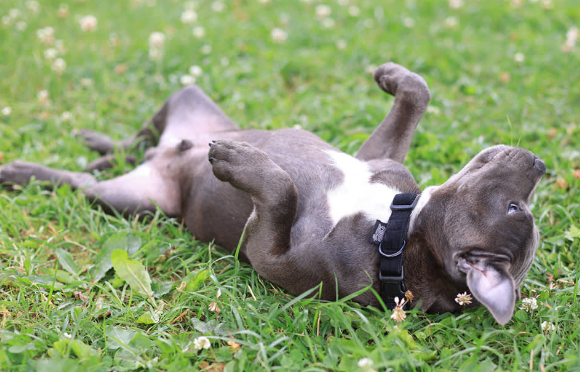
Dogs are known for their quirky behaviors, but some can leave pet owners scratching their heads. Understanding these strange habits can enhance the bond you share with your furry friend and help address any potential concerns. Here’s a look at some of the unusual behaviors dogs exhibit and what they really mean.
1. The Crazy Zoomies
Many dog owners have experienced the “zoomies,” when their canines suddenly dash around the house or yard at full speed. This burst of energy often occurs after a bath, a good play session, or even when they’ve been resting for a while. Zoomies are primarily a way for dogs to release pent-up energy and express sheer joy. It’s a natural and normal behavior, particularly in young dogs or high-energy breeds.
While zoomies can be entertaining to watch, they can also be a safety concern if done in an enclosed space or near other pets. You may want to create a designated area for zooming, ensuring that your dog has enough space to run safely. If your dog frequently exhibits this behavior, it might be a sign that they need more physical exercise or mental stimulation.
-
- Ensure your dog gets plenty of daily exercise.
-
- Introduce interactive toys to keep them mentally engaged.
-
- Designate a safe space for zoomies, free of hazards.
-
- Monitor their behavior to ensure no injuries occur during play.
2. The Head Tilt
Have you ever wondered why dogs tilt their heads when you speak to them? This adorable quirk often occurs when they are trying to understand a sound, command, or even a melody. Dogs have an acute sense of hearing; tilting their heads may help them locate the source of a sound or better comprehend what you are saying. Some researchers believe that it’s also a way for dogs to engage with their owners, reinforcing their bond.
If your dog frequently tilts their head, it’s a positive sign that they are actively listening and interested in what you are saying. Some dogs may tilt their heads more in response to high-pitched voices, which they often find intriguing. However, excessive head tilting could be a sign of a medical issue, so it’s important to monitor the frequency and situations in which it occurs.
-
- Use a cheerful tone when speaking to your dog to encourage head tilts.
-
- Observe if the behavior happens in certain situations or with specific sounds.
-
- Consult a vet if head tilting seems excessive or unaccompanied by playful behavior.
-
- Engage your dog with interactive training to enhance communication.
3. The Whirling Dervish Dance
When it’s time for a walk, some dogs jump and spin in circles, appearing as if they are performing a joyous dance. This behavior often signals excitement or anxiety about going outside. Dogs often associate walks with fun experiences, and their enthusiastic spins are their way of expressing this eagerness. It’s a fantastic show of their personality and highlights the strong bond between you and your canine companion.
On the other hand, it’s essential to differentiate between joy and anxiety. If your dog seems stressed or agitated while spinning, they may be overwhelmed. In such cases, take things slow by introducing them to the leash gradually and ensuring they are calm before heading out. This approach can help reduce anxiety and promote a more relaxed walking experience.
-
- Observe your dog’s body language; joyful spinning is loose and playful.
-
- Train your dog to calm down at the start of a walk before allowing the excitement.
-
- Use treats to reinforce calm behavior when getting ready for a walk.
-
- Consider shorter, more frequent walks if anxiety is evident.
4. The Mysterious Butt Sniffing
While butt sniffing might seem odd to us, it’s a fundamental way dogs communicate with each other. Dogs have scent glands located in their anal region that release unique chemical signals. These signals provide important information about a dog’s identity, health, and sexual status. This behavior is particularly common in social settings where dogs meet one another and is completely normal.
Although it may seem inappropriate to us, preventing your dog from sniffing other dogs could inhibit their social skills. As long as both dogs are comfortable, it can be a key part of their interactions. However, always supervise interactions to ensure safety, especially with unfamiliar dogs, since not all canines appreciate a direct butt sniff!
-
- Allow your dog to sniff other dogs unless it seems overly aggressive.
-
- Observe how both dogs react to each other to gauge comfort levels.
-
- Intercept if the sniffing escalates into aggressive behavior.
-
- Encourage positive social interactions through well-structured playdates.
5. The Resource Guarding Behavior
Dogs can sometimes display resource guarding behavior, where they become possessive over food, toys, or even their owners. This behavior may manifest as growling, snapping, or even a stiff body posture when someone approaches their belongings. This instinctive behavior stems from their ancestors, where guarding valuable resources was crucial for survival.
Addressing resource guarding involves understanding your dog’s triggers and implementing a structured training approach. Positive reinforcement training can help develop a more relaxed attitude towards sharing resources. Additionally, teaching them commands like “drop it” or “leave it” will foster better control over these behaviors. In severe cases, working with a professional dog trainer or behaviorist may be necessary for safe management.
-
- Identify triggers that prompt guarding behaviors in your dog.
-
- Practice gradual desensitization, providing value when they relinquish items.
-
- Use training commands to promote sharing and taking turns.
-
- Consider professional help if the behavior escalates or becomes dangerous.
Understanding your dog’s strange behaviors can deepen your connection and improve their overall behavior. Whether it’s zoomies or resource guarding, knowing the motivations behind these actions will assist you in addressing them effectively. If you notice concerning patterns or extreme variations in behavior, consider consulting a professional trainer or veterinarian for personalized guidance.