
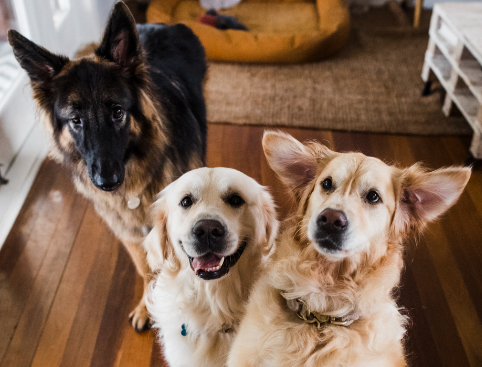
Every dog possesses a unique personality that defines their behavior and interactions. Understanding these personalities can enhance your relationship with your furry friend and improve their wellbeing. Let’s dive into the fascinating world of unique dog personalities.
1. The Confident Canine
Confident dogs often exhibit a strong sense of self and are generally fearless. Breeds such as German Shepherds and Rottweilers are well-known for their confidence. These dogs can thrive in active environments and enjoy taking the lead during walks or playtime. It’s essential to provide them with a structured routine and plenty of mental and physical stimulation to harness their energy positively.
On the flip side, confidence in a dog can lead to overbearing behaviors if not checked. These dogs may try to dominate other pets or even people if they feel they are in charge. To cultivate their confidence while promoting good behavior, consistent training and clear boundaries are vital.
-
- Establish a structured routine for your dog.
-
- Enroll them in obedience classes to learn commands.
-
- Provide plenty of physical exercise regularly.
-
- Socialize them with other dogs and people early on.
-
- Introduce calm leadership to discourage dominant behaviors.
2. The Shy Sweetheart
Some dogs are naturally more timid than others, often characterized by a gentle and sensitive demeanor. Breeds like Cavalier King Charles Spaniels or Greyhounds frequently fit this profile. These dogs require a patient owner who can create a reassuring environment. Using positive reinforcement is key in building their confidence and encouraging them to explore their surroundings.
It’s important to recognize the signs of anxiety in shy dogs, such as cowering, hiding, or avoiding eye contact. Their personalities may lead them to be more vulnerable to stress in new situations. Gradual exposure to new environments, people, and experiences can help these dogs gain confidence and become more comfortable in their surroundings.
-
- Provide a safe space where they can retreat when feeling overwhelmed.
-
- Introduce new experiences gradually, making them positive.
-
- Use treats and praise to encourage bravery in new situations.
-
- Consult a professional trainer if anxiety persists.
-
- Engage in gentle activities like walking in less busy areas.
3. The Playful Prankster
Playful dogs are often the clowns of the canine world, bringing joy and laughter to their families. Breeds like Labrador Retrievers and Beagles typically display this spirited personality. These dogs love to engage in games, whether it’s fetching a ball or chasing after a frisbee. Their playful nature can serve as an excellent motivator for training, as they thrive on rewards and love a good challenge.
However, their exuberance can sometimes get them into trouble. Playful dogs may chew on furniture or steal items when they’re bored. To prevent destructive behaviors, it’s vital to provide them with plenty of toys and interactive playtime with their owners. Incorporating structured play sessions into their routine can channel their energy positively.
-
- Invest in interactive toys that challenge their minds.
-
- Limit access to valuable items within reach.
-
- Establish regular playtime each day to burn off energy.
-
- Rotate toys to keep their interest piqued.
-
- Teach them tricks that involve play to enhance training.
4. The Laid-back Lounger
Some dogs are naturally easygoing and prefer a calm lifestyle. Breeds like Bulldogs and Basset Hounds often embody this personality. They enjoy lounging around the house and are typically less demanding than their more energetic counterparts. While they require less exercise, don’t mistake their laid-back attitude for an absence of need for activities; mental stimulation is still important for their engagement and happiness.
Despite their easygoing nature, these dogs can be prone to obesity if not given the appropriate amounts of physical activity. Providing regular short walks and interactive games is essential to keep them healthy. Creating a cozy environment in the home where they can relax will provide comfort and security in their daily lives.
-
- Incorporate short and regular walks into their daily routine.
-
- Provide puzzle toys to challenge their minds.
-
- Monitor food portions to prevent weight gain.
-
- Create a cozy corner with their bed for relaxation.
-
- Encourage minimal but consistent play sessions.
5. The Curious Explorer
Curious dogs are always eager to investigate their surroundings and are often characterized by high energy and enthusiasm. Breeds such as Border Collies and Jack Russell Terriers typically embody this personality. They love sniffing new scents and discovering new sights, making them great companions for active owners who enjoy outdoor adventures.
A curious dog may require more mental challenges than just daily walks. Providing training that incorporates problem-solving, agility courses, or scent-work can keep a curious dog engaged and satisfied. However, it’s essential to keep them safe as their adventurous spirit can lead them into risky situations if not properly supervised.
-
- Engage them in outdoor activities like hiking or running.
-
- Use food-dispensing toys to make mealtime fun.
-
- Set up an obstacle course in your yard for agility training.
-
- Teach them commands that encourage explorative behavior, like “find” or “search.”
-
- Always supervise their explorations in new environments.
Every dog possesses a unique personality that defines their behavior and interactions. Understanding these personalities can enhance your relationship with your furry friend and improve their wellbeing. Just as a carefully crafted dog statue can capture a dog’s distinctive spirit, observing your pet’s traits can help you better appreciate what makes them unique. Let’s dive into the fascinating world of unique dog personalities.