
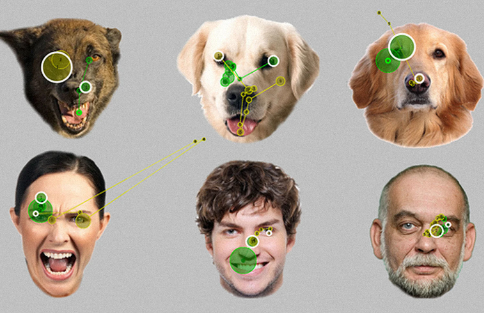
Dogs have long been known as “man’s best friend,” and for good reason. Their ability to connect with human emotions is remarkable and has functional implications for both species. Understanding this bond can enhance our relationships with these furry companions.
1. Dogs Recognize Human Emotions
Research shows that dogs can recognize human emotions through facial expressions and body language. They are particularly responsive to their owner’s feelings, whether it’s happiness, sadness, or anxiety. For instance, a study indicated that dogs often approach individuals displaying sad expressions, offering comfort through their presence.
This emotional recognition serves as a form of communication. When a dog sees its owner smile, it is likely to react with enthusiasm, wagging its tail and possibly even jumping up in joy. Conversely, if the owner appears upset, dogs can sense this change and may exhibit behaviors such as leaning against their owner or staying close to provide comfort.
-
- Observe how your dog reacts to your emotional state.
-
- Encourage positive interaction when feeling happy to reinforce joy.
-
- Take note of your dog’s behavior when you’re upset; does it offer comfort?
-
- Avoid isolating yourself from your dog during tough times.
2. The Role of Dogs in Emotional Support
The role of dogs in providing emotional support cannot be overstated. Many individuals with mental health issues, such as anxiety and depression, find solace in the companionship of a dog. The mere act of petting a dog can stimulate the release of oxytocin, a hormone known for its calming effects.
Moreover, therapy dogs are increasingly used in clinical settings to help patients cope with stress and emotional distress. Their presence can create a more relaxed atmosphere, making it easier for individuals to communicate their feelings. Through these interactions, dogs also help to reduce feelings of loneliness and isolation.
-
- Consider adopting or fostering a dog if you’re seeking emotional support.
-
- Participate in dog therapy programs; they can provide structured support.
-
- Incorporate pet therapy into your mental health routine for added benefits.
-
- Take your dog on regular walks to enjoy outdoor therapy together.
3. Building a Deeper Emotional Connection with Your Dog
To build a deeper emotional connection with your dog, it’s essential to engage in regular, meaningful interactions. Spend quality time together engaging in activities that both you and your dog enjoy, such as playing fetch or going for long walks. The more time you invest in your relationship, the stronger your bond will become.
Training can also greatly enhance your connection. Positive reinforcement techniques not only teach your dog commands but also reinforce the trust between you. When your dog understands what you expect, it creates a sense of security for both of you, making your relationship more stable.
-
- Engage in daily play sessions to foster joy and connection.
-
- Work through training techniques together to build understanding and trust.
-
- Establish a regular routine, as dogs thrive on consistency.
-
- Spend quiet time together, as your presence matters to your dog.
4. Understanding Your Dog’s Emotional Needs
Just like humans, dogs have emotional needs that should be met for a balanced life. These needs include social interaction, mental stimulation, and physical exercise. Neglecting any of these can lead to behavioral issues and distress. For example, if a dog is left alone for long periods, it may develop separation anxiety or destructive behaviors out of boredom.
To address these needs, ensure that your dog’s daily routine includes ample socialization with both humans and other dogs. Regular walks and playtime are crucial for physical health, while puzzle toys can help stimulate their minds. Understanding your dog’s body language can also provide insights into their emotional states, ensuring their needs are continuously met.
-
- Provide daily walks to ensure physical exercise.
-
- Introduce interactive toys to promote mental engagement.
-
- Schedule regular playdates with other dogs.
-
- Watch for signs of anxiety or distress and act accordingly.
In conclusion, understanding the emotional connection between dogs and humans can enhance your life and your canine companion’s well-being. Take steps to foster this bond through interaction, training, and attentiveness to their needs. If you have concerns, consulting with a veterinarian or professional dog trainer can also provide helpful guidance.