
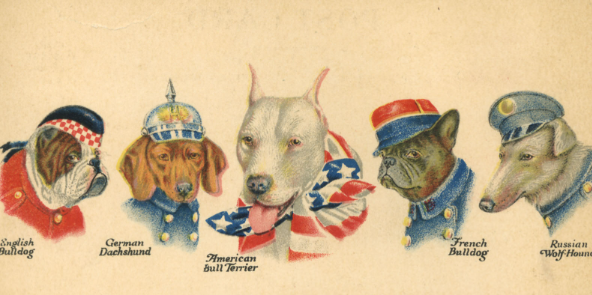
Dogs have long been known as man’s best friend, but the way they are treated and perceived varies greatly across different cultures. This blog post explores how dogs are viewed and cared for in various countries, highlighting some unique practices and traditions.
1. Dogs in the United States
In the United States, dogs are often seen as family members. This culture places a strong emphasis on pet ownership, with many households owning at least one dog. Various dog parks and pet-friendly establishments, along with a wide range of products catered to dogs, reflect this affinity. For instance, pet insurance has become increasingly popular, showing that owners are willing to invest in their furry companions’ health and well-being.
Additionally, the American Kennel Club (AKC) promotes responsible dog ownership and emphasizes the importance of proper training. Many Americans participate in dog sports, from agility trials to obedience competitions. This active involvement fosters a strong bond between pets and their owners, showcasing a commitment to the pets’ physical and mental well-being.
-
- Regular vet check-ups are essential for health.
-
- Invest in training classes for obedience and socialization.
-
- Consider pet insurance to manage healthcare costs.
-
- Provide daily exercise to maintain physical health.
-
- Participate in dog-related activities for bonding.
2. Dogs in Japan
Japan is known for its unique relationship with dogs, often witnessing a fusion of tradition and modernity. In cities like Tokyo, small dog breeds, such as Shih Tzus and Chihuahuas, are especially popular due to limited living space. The appreciation for these small companions is evident in the numerous dog cafes and shops that cater specifically to canine needs, creating vibrant social scenes where pets and owners can interact.
Moreover, Japanese culture places great importance on the aesthetics of pet care. Many owners invest in grooming services to keep their dogs looking pristine. Seasonal events, like dog parades, are common, and special holidays often feature dog-themed activities, showing the deep-seated love and respect for pets within the society.
-
- Research local dog cafes for a unique experience.
-
- Dress your dog in seasonal attire for special occasions.
-
- Explore regular grooming options for maintenance.
-
- Engage in local dog events for socialization.
-
- Provide mental stimulation through toys and games.
3. Dogs in India
In India, dogs often have a complex status that ranges from beloved pets to street animals. While many families cherish their dogs, providing them with love and care, there is also a significant population of stray dogs. Some communities actively engage in rescuing and caring for these animals through various NGOs dedicated to their welfare. Organizations work to provide medical care and shelter for strays, embodying a commitment to animal welfare.
On the flip side, traditional beliefs about dogs vary significantly. While some see dogs as protectors or companions, others may feel less favorable due to cultural associations with purity. Educational initiatives are crucial for changing perceptions and improving the health and safety of both pet and stray populations.
-
- Consider adopting from local shelters to support the community.
-
- Participate in or support stray dog feeding programs.
-
- Educate others about responsible pet ownership.
-
- Engage in local initiatives aimed at dog welfare.
-
- Consider spaying/neutering as a responsible choice.
4. Dogs in Mexico
In Mexico, dogs hold a significant place in both urban and rural settings, often functioning as both companions and guardians. Many families welcome dogs as part of their household, and events like the Día de Muertos (Day of the Dead) include honored pets as family members during commemorations. This deep familial bond is reflected in the way many Mexican families treat their dogs, often involving them in daily life and celebrations.
However, stray dog populations can also be a concern in many areas. The country has seen community efforts to improve the welfare of stray dogs, focusing on sterilization, vaccination, and rehabilitation. Raising awareness around responsible pet ownership is an essential step toward improving the lives of both pets and strays alike.
-
- Include pets in family celebrations for bonding.
-
- Support community initiatives focused on stray populations.
-
- Learn about local breed preferences for better selection.
-
- Practice responsible pet ownership through proper care.
-
- Engage in educational programs for local communities.
Understanding how dogs are integrated into different cultures enhances our appreciation of these loyal companions. Whether you find joy in dogs’ playful antics in the U.S., the aesthetic care seen in Japan, the varying perceptions in India, or the familial role dogs play in Mexico, each perspective contributes to the rich tapestry of dog ownership worldwide. So, take a moment to explore more about dogs in your country or another, and perhaps even get involved in your local dog community!