
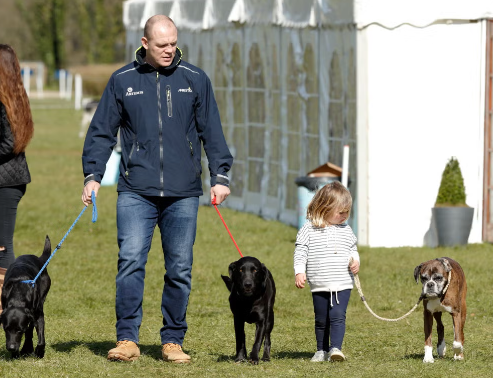
Dogs have long held an important place within royal households, symbolizing loyalty, elegance, protection, and companionship. Across centuries and cultures, monarchs and noble families have formed strong attachments to specific breeds, many of which became closely associated with royal identity and prestige. These relationships reveal not only personal affection for animals but also broader cultural traditions surrounding status and companionship.
1. The Queen’s Corgis
Queen Elizabeth II was famously devoted to Pembroke Welsh Corgis throughout her life. Her connection with the breed began in childhood when she received her first corgi, Dookie, and continued for decades, eventually resulting in more than 30 corgis becoming part of royal life.
The Queen’s corgis were frequently photographed at royal residences and public events, becoming cultural symbols closely linked to her image. Beyond their public recognition, they were reportedly integrated deeply into her daily routines, reflecting the close emotional bond she shared with them.
- Learn about the history and temperament of corgis
- Consider adoption opportunities for herding breeds
- Prepare for regular grooming and shedding management
- Provide mental stimulation and structured activity
2. The German Shepherds of Germany’s Royals
German Shepherds became associated with German nobility and military tradition, particularly during the era of the House of Hohenzollern. Their intelligence, loyalty, and protective instincts made them ideal companions for royal households seeking both companionship and security.
Wilhelm II was known for his admiration of German Shepherds, helping elevate the breed’s reputation internationally. Their adaptability and disciplined nature later contributed to their widespread use in military, police, and service roles.
- Focus on consistent obedience training
- Prioritize early socialization and confidence-building
- Maintain regular physical exercise routines
- Research breed-specific health and temperament needs
3. Poodles: A Royal Favorite Across Europe
Poodles have long symbolized sophistication and refinement within European courts. Their intelligence, athleticism, and distinctive appearance made them highly desirable companions among aristocratic families in France, Germany, and Austria.
Joséphine de Beauharnais was particularly fond of poodles, contributing to their association with luxury and elegance. Their trainability also made them popular in performances and court entertainment, further enhancing their reputation among royal circles.
- Schedule regular grooming and coat maintenance
- Explore different poodle sizes to suit lifestyles
- Engage in agility or obedience activities
- Encourage healthy socialization with people and pets
4. The Affectionate Spaniels of the British Royals
Cavalier King Charles Spaniels hold a unique connection to British royalty, particularly through Charles II, who was famously devoted to the breed. Their affectionate personalities and gentle temperament made them ideal companions within royal courts.
Even in modern times, members of the British royal family have continued to show affection for spaniels, reinforcing the breed’s enduring association with warmth, companionship, and nobility.
- Ensure regular exercise despite their small size
- Monitor breed-specific health conditions carefully
- Encourage positive socialization from an early age
- Provide consistent affection and companionship
The relationship between dogs and royal families reflects a timeless connection built on trust, loyalty, and companionship. These animals were not merely status symbols; they often became beloved members of royal households and cultural icons in their own right.
Today, this historic bond is still celebrated in art, museums, and decorative pieces such as a dog sculpture, which can symbolize the dignity, loyalty, and enduring companionship that dogs have provided to noble families throughout history.