
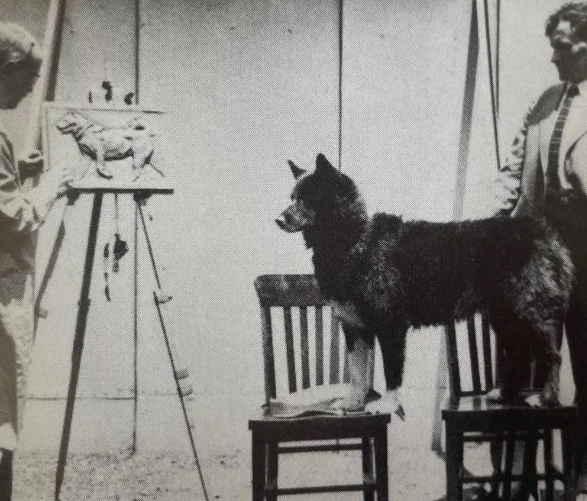
The 1925 Nome Rescue Mission is a remarkable chapter in American history, filled with courage, teamwork, and the unwavering spirit of both humans and animals. The story is anchored by Balto, a Siberian husky, who became the symbol of this heroic effort to deliver life-saving medicine to a remote Alaskan town. Let’s dive deeper into this fascinating event and explore the key elements that made it a legendary rescue mission.
1. The Crisis in Nome
In the winter of 1925, Nome, Alaska, faced a critical situation when an outbreak of diphtheria threatened the lives of its residents. With traditional medical assistance cut off by brutal weather conditions, the town found itself in a race against time. The only hope was to transport life-saving antitoxin serum from Anchorage, over 600 miles away, leveraging the existing dog sled teams to brave the treacherous terrain.
Transportation was extremely challenging; temperatures fell below -40 degrees Fahrenheit, and the threat of fierce storms loomed. The urgency was palpable as children began to fall ill, and medical supplies dwindled. To prevent an outright disaster, authorities quickly organized a series of relays, summoning the best dog sled teams to undertake the perilous journey across the frozen expanse.
-
- Understand the medical needs of your community.
-
- Establish robust communication channels for emergencies.
-
- Prepare teams for extreme weather conditions.
-
- Maintain close collaboration with local transportation methods.
2. The Heroes of the Journey
Several mushers, along with their sled dog teams, played pivotal roles in the rescue. Among them, Leonhard Seppala and his lead dog, Togo, covered the longest leg of the journey, battling extreme cold and fatigue. Their determination and skill were critical to ensuring the serum reached Nome in time, showcasing the unique bond between humans and dogs that enabled this monumental task.
Balto, a lesser-known but equally crucial contributor, completed the final leg of the perilous relay. Under the leadership of musher Gunnar Kaasen, Balto navigated through blizzards and treacherous ice fields, showcasing incredible resilience and stamina. Their teamwork was a testament to how well-prepared and trained the sled teams were, making them heroic figures in American history.
-
- Recognize the importance of teamwork in emergency situations.
-
- Train animals and humans to work together effectively.
-
- Monitor weather conditions closely in planning routes.
-
- Document each team’s journey for future learning.
3. The Aftermath and Legacy
The successful delivery of the serum to Nome was not just a victory over nature, but also a miraculous moment that highlighted community and solidarity in the face of adversity. Balto and his team became national heroes, receiving widespread media coverage that turned their journey into folklore. A statue of Balto was erected in Central Park, symbolizing the extraordinary courage displayed during the rescue mission.
Beyond the immediate relief, the event sparked significant changes in public health and transportation methods in remote areas. The story encouraged better funding for health care in Alaska and greater emphasis on preparing for emergencies. The annual Iditarod Trail Sled Dog Race, which celebrates the spirit of the dog sled teams, traces its roots back to this legendary event, ensuring that the legacy of Balto and the other mushers lives on.
-
- Honor heroes through memorials and public recognition.
-
- Promote awareness of the importance of emergency preparedness.
-
- Encourage community involvement in health infrastructure.
-
- Support events like the Iditarod to celebrate sled dog culture.
The 1925 Nome Rescue Mission remains a testament to human and animal resilience, showcasing how determination and teamwork can overcome insurmountable challenges. The legacy of Balto and his fellow sled dogs continues to inspire acts of bravery and unity in communities facing crises. As we reflect on their story, it’s a reminder to be prepared and work together for the greater good.
It’s essential to understand the lessons learned from the 1925 Nome Rescue Mission. Whether you’re part of a community group or simply looking to contribute positively to your surroundings, don’t hesitate to take steps towards creating a more prepared and resilient environment. Connect with local emergency responders, join community health initiatives, and support your community in its times of need.