
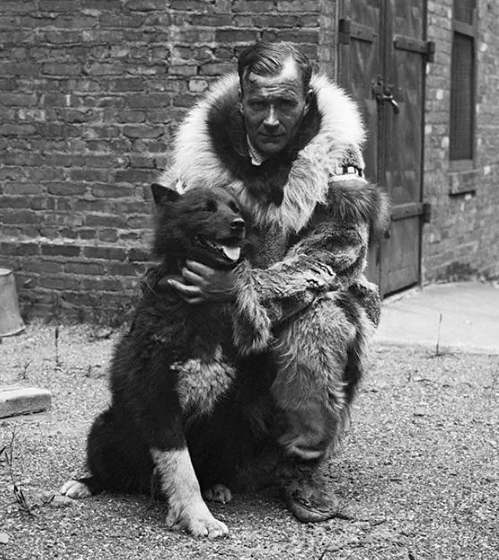
The story of Balto and Togo is one of adventure, resilience, and bravery in the face of overwhelming odds. As the heroic sled dogs that helped deliver life-saving medicine during a diphtheria outbreak in Nome, Alaska, both are celebrated for their incredible journeys, but only one is often credited as the true hero. Let’s dive into their stories and uncover which dog might deserve that title.
1. The Legendary Journey of Balto
Balto was born in 1923 and became famous for leading his team on the final leg of the treacherous 1925 serum run to Nome. This perilous journey spanned over 674 miles under harsh winter conditions, including biting winds and blizzard conditions. Balto’s leadership and stamina were crucial as his team faced not just the brutal environment but also the threat of exhaustion. His team ultimately delivered the much-needed diphtheria antitoxin to save countless lives.
After completing the journey, Balto’s fame skyrocketed when he and his team were celebrated in a ticker-tape parade in New York City. His contribution was recognized with a statue in Central Park, showcasing him as a hallmark of canine heroism. The media portrayed him as the face of the serum run, making his story resonate deeply in popular culture.
-
- Understand the historical context of the serum run for better appreciation.
-
- Visit Central Park to see Balto’s statue and learn more about his story.
-
- Read the book “Balto and the Great Race” for a detailed account of his journey.
-
- Watch documentaries to get insights into the challenges faced by the sled dog teams.
2. Togo: The Unsung Hero
Togo, born in 1913, is often dubbed the “real hero” of the serum run due to the significant distance he traveled and the challenging conditions he endured. Under the command of his owner, Leonhard Seppala, Togo led his team on the most grueling sections of the run, traversing over 260 miles through inhospitable terrains. Unlike Balto, whose fame overshadowed Togo, this dog is celebrated in Alaskan lore for his relentless spirit and unwavering dedication.
Togo faced near-impossible conditions, including blinding snowstorms and subzero temperatures, while keeping his team energized and focused. He is credited with navigating treacherous ice and treks over mountain passes, demonstrating not just physical prowess but remarkable instincts. Despite the odds, Togo and Seppala made a significant contribution, ensuring effective logistics and encouraging teamwork through their journey.
-
- Educate yourself on Togo’s path and obstacles he overcame.
-
- Visit the Iditarod Trail Sled Dog Race or related events to learn more about sleigh dog history.
-
- Explore Togo’s legacy in books and films for a broader understanding of his significance.
-
- Engage with Alaskan history by visiting museums that feature sections about the serum run.
3. Comparing Legacy and Recognition
The legacies of Balto and Togo reveal a complex contrast. While Balto has gained fame through media representation, Togo’s contributions are often overlooked in popular narratives. This discrepancy highlights the nuances of history, where recognition can depend on timing, storytelling, and the impact of fame. Many modern-day historians and dog enthusiasts argue that Togo’s contributions should be celebrated more prominently.
Togo lived a long life, well into old age, ultimately passing away in 1929, which allowed his story to develop over the years. However, Balto’s sudden rise to fame often eclipsed the daily development of Togo’s achievements. There’s an ongoing effort to correct this narrative by honoring Togo’s role, leading to greater awareness in communities about both dogs’ contributions to history.
-
- Delve into discussions about who deserves recognition in heroics.
-
- Explore sources that aim to give Togo the fame he rightfully deserves.
-
- Be an advocate for lesser-known heroes in any field, not just in animal history.
-
- Share knowledge on social media about Togo to spread awareness.
4. The Role of Storytelling in Shaping Perceptions
The narratives surrounding Balto and Togo highlight the impact of storytelling in shaping public perception. Balto’s story was marketed effectively in early 20th-century media, whereas Togo’s tale lingered in the shadows, which speaks to the importance of how stories are narrated and who has the platform to share them. This aspect of history is vital, as it underscores how societal values influence heroism.
Over the years, various books and films have attempted to tell Togo’s story with the respect it deserves. As the world becomes more critical of how we frame narratives, it opens the door for underrepresented figures in history to be acknowledged. By revamping their stories, these narratives gain life and reflect the value of comprehensive coverage in any media format.
-
- Consider how narratives can be twisted or molded over time—recognize the power of voice.
-
- Identify and support authors and filmmakers who aim to tell underrepresented stories.
-
- Engage in discussions about historical narratives within your community.
-
- Reflect on which heroes are celebrated today and why some go unnoticed.
In conclusion, while Balto and Togo were both valiant dogs who played pivotal roles during the serum run, the debate over who is the “real hero” continues. Understanding their journeys offers insights into bravery, resilience, and the importance of recognizing unsung heroes. Let’s keep their stories alive and honor the legacies of both dogs as we navigate the complexities of heroism in history. If inspired, delve deeper into the history of sled dogs, and perhaps consider visiting Alaska to learn more about their extraordinary legacy.