
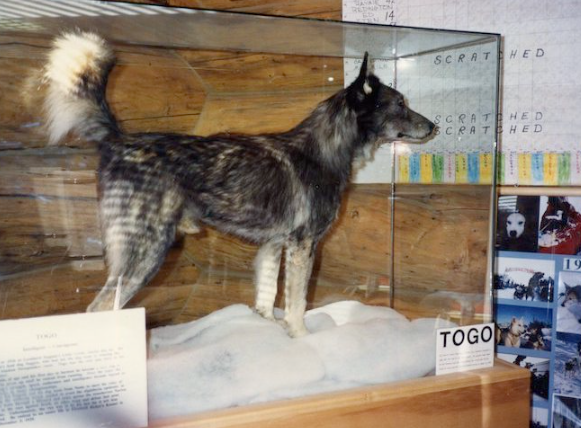
In the harsh frozen landscapes of Alaska, one dog stands out as a true hero: Togo. His incredible journey during the 1925 serum run to Nome not only saved countless lives but also cemented his legacy in American history as one of the greatest sled dogs of all time.
1. The Background of the Serum Run
The Great Race of Mercy, as it is often called, unfolded in the midst of a diphtheria outbreak in Nome, Alaska, during the winter of 1925. A valuable serum was urgently needed to combat the disease, but the only way to transport it across the frozen tundra was via sled dog teams. This presented a formidable challenge, as temperatures plummeted and treacherous conditions prevailed.
Togo, a Siberian Husky, was among the select group of sled dogs chosen for this crucial mission. His owner, Leonhard Seppala, was an experienced musher who had a deep bond with Togo. Unlike many other teams, which faced immense danger, Togo and Seppala’s journey encompassed the longest and most dangerous stretch of the relay, showcasing Togo’s exceptional strength and endurance.
-
- Understand the serious circumstances of the 1925 diphtheria outbreak.
-
- Learn about the logistical challenges of delivering the serum.
-
- Research the role of sled dogs in Alaska’s history.
-
- Explore the importance of teamwork in overcoming challenges.
2. The Heroic Journey
Togo’s journey wasn’t just physically demanding; it also involved navigating through fierce storms, sub-zero temperatures, and treacherous terrain. The team traveled over 260 miles in less than six days, braving conditions that would break lesser dogs. Togo, in particular, showcased extraordinary stamina and intelligence, allowing them to find safe paths through perilous ice and rough terrain.
-
- Study the specific challenges faced during the relay.
-
- Identify the traits that make a great sled dog.
-
- Learn about the specific miles covered by Togo and his team.
-
- Examine how Togo’s leadership affected team morale.
3. Lasting Legacy and Recognition
Togo’s heroism did not go unnoticed. When the serum was finally delivered to Nome, it saved hundreds of lives. However, the story of Togo was overshadowed by another dog named Balto, who led the final leg of the relay. While Balto became famous and even received a statue in New York City’s Central Park, Togo’s contributions were only acknowledged decades later.
In recent years, Togo’s legacy has been recognized appropriately. Books, films, and numerous tributes have helped to shine a light on his incredible journey. In 2011, Alaska even declared a “Togo Day” to commemorate the heroic dog and his extraordinary accomplishment. His story teaches us not just about bravery in animals, but also about the importance of remembering those who have been overlooked in history.
-
- Explore literature and media dedicated to Togo’s story.
-
- Consider visiting Nome, Alaska, to learn more about the serum run.
-
- Encourage schools to include Togo in their history curriculum.
-
- Share Togo’s story on social media to inspire others.
In conclusion, Togo the sled dog embodies heroism and the spirit of endurance in the face of dire circumstances. His tale reminds us of the incredible bond between humans and animals and encourages us to celebrate and remember all heroes—seen and unseen. Consider sharing Togo’s story with others or learning about similar remarkable stories of courage.