
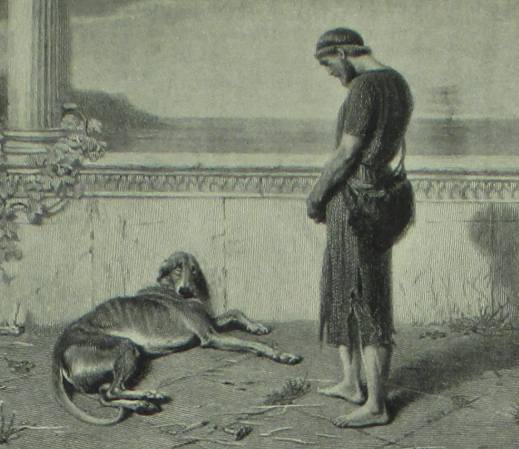
The tale of Odysseus and his dog, Argos, is a poignant chapter found in Homer’s epic, the “Odyssey.” This story transcends time, illustrating themes of loyalty, patience, and the deep bond between humans and animals. As we explore this narrative, we will uncover the fate of Argos and the lessons we can learn from this noble dog.
1. The Odyssey: An Overview
The “Odyssey” recounts the epic journey of Odysseus as he strives to return home after the Trojan War. His journey is laden with trials, including encounters with mythical creatures and gods. Odysseus’ character is marked by cunning, bravery, and an indomitable spirit, but the timeline of his return stretches to nearly twenty years, profoundly impacting those he left behind, including his loyal dog, Argos.
Argos was just a puppy when Odysseus departed for the war. The loyalty that this dog exhibited serves as a reflection of the themes of fidelity and perseverance. While Odysseus battled challenges beyond imagination, his absence allowed Argos to embody a life of waiting, a testament to the loyalty that dogs are famously known for. The bittersweet reunion underscores the themes of loss and the passage of time, reminding us how circumstances can change both for people and their faithful companions.
-
- Read the “Odyssey” to understand the broader context of the story.
-
- Reflect on themes of loyalty in your own life or literature.
-
- Discuss the character of Odysseus with others for a deeper understanding.
-
- Consider the moral implications of long absences on relationships.
2. The Fate of Argos
Upon Odysseus’ return, he finds Argos, now an old and frail dog, lying neglected in the dirt. Remarkably, despite the years that have passed, Argos recognizes his master immediately, showcasing the timeless bond between them. This moment of recognition is brief, yet it is filled with immense emotion, illustrating that true loyalty endures even after many years apart.
Sadly, Argos’ fate is poignant. He dies shortly after seeing Odysseus, symbolizing the heartbreak of loss that has accompanied the hero’s prolonged absence. This scene serves both as a moment of joy and sadness, highlighting the sacrifices made in the name of duty and the inevitable consequences of time and neglect on relationships. Argos’ demise represents the ultimate sacrifice of loyalty—that he held on until he was reunited with the one he loved most.
-
- Embrace moments of recognition with loved ones.
-
- Show appreciation for the loyal companions in your life.
-
- Reflect on how time affects relationships and commitments.
-
- Be present for those who have waited for a long time.
3. Lessons from the Story of Odysseus and Argos
The tale of Odysseus and Argos is not merely a story about a man and his dog; it is a narrative rich with lessons about fidelity, patience, and the beauty of reunions. It reminds us that love knows no bounds, and true loyalty requires time, patience, and sacrifice. Odysseus’ journey, coupled with Argos’ unwavering devotion, teaches us the importance of cherishing our relationships and being mindful of the time we spend apart from those we care about.
Additionally, the story imparts lessons about responsibility. Argos, while waiting, embodies the challenges faced when loved ones are absent. In our lives, we should aim to care for those who depend on us, ensuring they aren’t left waiting in neglect. Moreover, it emphasizes the need to reconnect with those who matter most to us, regardless of the physical or emotional distance that may have grown between us.
-
- Prioritize regular check-ins with friends and family.
-
- Take time to appreciate those who wait for you.
-
- Reflect on your own commitments to others.
-
- Make amends if your relationships have suffered due to neglect.
In conclusion, the story of Odysseus and Argos serves as a heartfelt reminder of loyalty and the importance of nurturing our relationships, no matter how long the wait may be. Take inspiration from this tale to strengthen your connections and ensure that your loved ones always know they are valued and remembered.