
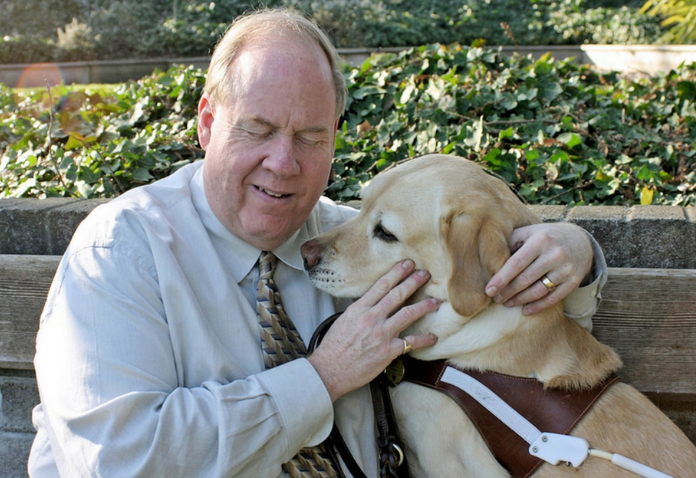
Roselle the Guide Dog is an inspiring tale that highlights bravery, loyalty, and the incredible bond between dogs and humans. This powerful story of Roselle not only showcases her unique capabilities but also illustrates the important role guide dogs play in enhancing the lives of visually impaired individuals.
1. Roselle’s Early Life and Training
Roselle was born in a guide dog breeding program, specially designed to produce dogs with excellent temperaments and abilities for guide work. From an early age, she exhibited a calm demeanor and a strong inclination to work, making her a prime candidate for service. After completing her basic obedience training, Roselle graduated to advanced training that included guiding techniques, obstacle avoidance, and socializing in crowded spaces.
The rigorous training process is essential for guide dogs. They must not only learn commands but also develop skills to navigate complex environments. During her training, Roselle demonstrated an eagerness to learn and showcased her intelligence by quickly adapting to various situations. Her trainers knew that she had the potential to make a significant impact in her future handler’s life.
-
- Understand the importance of early socialization.
-
- Expose the dog to different environments gradually.
-
- Use positive reinforcement techniques for training.
-
- Establish clear commands for guiding and obedience.
2. Roselle and Her Human Partner
Roselle was paired with Michael Hingson, who became her human partner after completing her training. Michael, who was blind since birth, was excited to welcome Roselle into his life. The pair quickly established a strong bond, relying on each other for support, trust, and companionship. Roselle not only assisted Michael with daily navigation but also provided emotional support, fostering independence and confidence.
Throughout their journey together, Roselle proved to be more than just a guide; she became a vital part of Michael’s life. Their first outing together solidified their connection, as Roselle expertly guided Michael through busy streets and complex spaces, enabling him to navigate life independently. This partnership exemplifies how guide dogs significantly impact their handlers’ lives, paving the way for greater freedom and mobility.
-
- Build rapport with your guide dog through daily interactions.
-
- Foster a trusting relationship by allowing the dog to explore safely.
-
- Regularly engage in joint training sessions for continuous learning.
-
- Establish clear communication and understanding with your dog.
3. The Day of the Tragedy: Lessons from 9/11
On September 11, 2001, Roselle and Michael faced a life-altering experience when the World Trade Center was attacked. As chaos ensued, Roselle remained calm and focused, guiding Michael down 78 flights of stairs to safety. This incredible act of bravery showcased not just Roselle’s training, but her innate ability to sense danger and act accordingly. Their story quickly became one of resilience, demonstrating how guide dogs can rise to the occasion in dire circumstances.
Roselle’s actions during the crisis taught valuable lessons about trust and intuition. Blind individuals often rely on their dogs not just for navigation, but also for emotional support and guidance in unpredictable environments. The bond forged through training and shared experiences allows dogs like Roselle to instinctively understand their handler’s needs, especially in moments of crisis. Her story serves as a source of inspiration and a reminder of the heroic abilities of service animals.
-
- Stay calm and focused in emergency situations.
-
- Trust in the dog’s training and instincts during crises.
-
- Maintain a consistent practice of emergency drills with your guide dog.
-
- Foster emotional connections to reduce stress during stressful times.
4. Life After the Rescue: Continued Impact
After the events of 9/11, Roselle continued to be a faithful companion to Michael, working together in various public speaking engagements to raise awareness about the capabilities of guide dogs. They shared their story across the country, inspiring many others through their resilience. Roselle not only impacted Michael’s life but became a symbol of hope and strength for countless individuals, showcasing the life-changing role of guide dogs.
Roselle eventually retired from active guiding work due to age. However, her impact continued on a different level. Through her legacy, she provided an opportunity to educate others about the responsibilities and realities of owning a guide dog. The love and respect that Michael had for Roselle drove him to advocate for support systems and resources for visually impaired individuals worldwide.
-
- Consider volunteering with organizations that support guide dogs.
-
- Share stories to promote awareness and understanding.
-
- Invest in accessible resources for visually impaired individuals.
-
- Encourage dialogue on the significance of service animals.
Roselle the Guide Dog’s story is one of courage, loyalty, and unwavering support. Her journey with Michael serves as a powerful reminder of the profound bond between humans and their canine companions. If you’re interested in becoming more involved with guide dogs or have a visually impaired loved one, reach out to local organizations for resources and support. Together, we can continue spreading awareness and appreciation for these wonderful animals.