
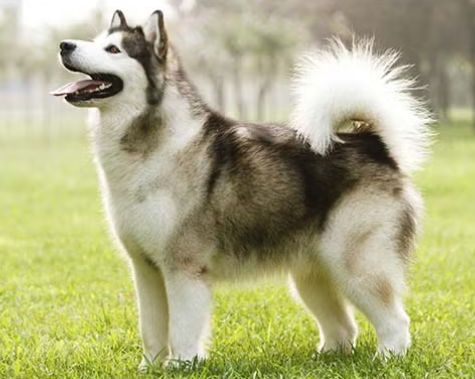
Alaskan Malamute Breed Guide
Alaskan Malamutes are captivating dogs known for their strength, intelligence, and striking appearance. As one of the oldest Arctic sled dog breeds, they have a rich history and are well-suited for families who can match their energetic and playful nature. This guide will explore the key characteristics, care, and training insights related to this remarkable breed.
1. Origin and Characteristics
The Alaskan Malamute’s history dates back to the native Inuit people of Alaska, who originally bred them for pulling heavy sleds and hunting. Known for their sheer power and endurance, these dogs typically weigh between 75 to 100 pounds and have a thick, double coat that protects them from harsh weather conditions. Their wolf-like features, with a broad head and erect ears, make them particularly striking. Beyond their physical traits, Malamutes are known for their friendly disposition and loyalty towards their human companions, making them excellent family pets.
2. Care and Nutrition
Caring for an Alaskan Malamute requires attention to their specific needs to ensure they thrive. Their thick fur needs regular grooming, especially during shedding seasons, to keep it healthy and free of mats. Nutrition is equally important; a balanced diet rich in proteins and healthy fats is essential to fuel their high energy levels. Given their size and activity requirements, nutritious dog food tailored for large breeds can be beneficial. Regular exercise, such as long walks or play in an open area, helps channel their energy positively and prevents boredom-related issues.
3. Training and Socialization
Training an Alaskan Malamute can be both rewarding and challenging. These intelligent dogs have a strong-willed nature, which means consistent, positive reinforcement methods work best. Early socialization is crucial to help them interact properly with other pets and people. Basic obedience training should begin as soon as you bring your Malamute home. Commands such as “sit,” “stay,” and “come” are vital not only for good behavior but also for safety. Patience and creativity in training can turn your Malamute into a well-mannered companion.
In conclusion, the Alaskan Malamute is a majestic breed that thrives in an active, loving environment. They bring joy and companionship to families willing to invest time in training and care. If you’re considering adding a Malamute to your family, be sure to learn more about their specific needs and channel your interest into providing a nurturing home. Whether you’re planning to embark on an adventure or enjoy cozy days at home, an Alaskan Malamute can be a wonderful addition to your life.