
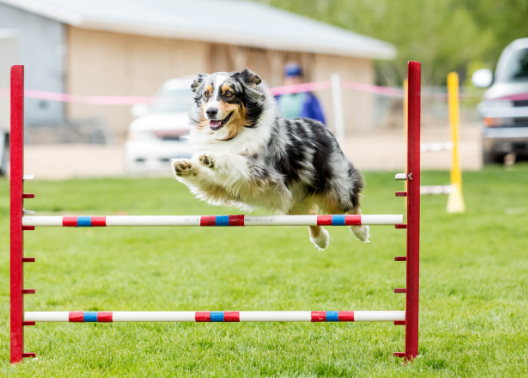
Dog agility is an exhilarating sport that’s gaining popularity among dog lovers everywhere. With its combination of speed, precision, and teamwork, this fast-paced activity provides both physical exercise and mental stimulation for dogs. Whether you’re a seasoned trainer or just starting, agility can deepen the bond you share with your furry friend.
1. Understanding the Basics of Dog Agility
Dog agility is a competitive sport where dogs navigate a timed obstacle course under the direction of their handlers. Obstacles typically include jumps, tunnels, weave poles, and seesaws. The objective is to complete the course as quickly and accurately as possible, making it key for the handler to guide the dog effectively. Handlers use voice commands, body language, and treats to encourage their dogs through the obstacles, showcasing an incredible display of teamwork.
While organized competitions exist, many enthusiasts engage in agility for fun and fitness. There are classes available for all skill levels, where both the dog and handler can learn together. This sport is not just for specific breeds; most dogs can participate, from small terriers to large retrievers, as long as they have the right training and motivation.
-
- Start with basic obedience training before introducing agility.
-
- Use positive reinforcement to encourage your dog.
-
- Choose agility equipment suited to your dog’s size and skill level.
-
- Gradually introduce obstacles to avoid overwhelming your dog.
2. The Benefits of Dog Agility Training
Engaging in dog agility brings numerous benefits to both dogs and their handlers. For dogs, agility challenges them mentally and physically, reducing behavioral issues stemming from boredom. This physically demanding sport helps maintain their weight, build muscle, and improve overall health by providing exercise that’s both enjoyable and engaging.
For handlers, agility training fosters a deeper bond with their dogs. As you work closely together, mutual trust and communication grow stronger. Participating in agility can boost your confidence as a trainer and help improve your observational skills, which can translate into better handling during competitions or everyday activities.
-
- Incorporate regular training sessions to keep skills sharp.
-
- Observe your dog’s body language for signs of stress or excitement.
-
- Encourage socialization with other dogs and people during training.
-
- Keep training fun and light-hearted to maintain motivation.
3. Preparing for Dog Agility Competitions
If you consider entering your dog in competitions, it’s essential to prepare effectively. Understanding the rules and regulations of the events is crucial. Take time to research local agility organizations, as they often have varying standards, courses, and training resources. Attending workshops or seminars can also provide insights into the competitive landscape.
Setting goals is another integral part of competition preparation. Start with smaller, local events before attempting larger competitions. Document your dog’s progress, focusing on areas of improvement and strengths. This preparation will help you feel more confident on the day of the event and ensure that both you and your dog are ready for success.
-
- Join a local agility class or group for support and camaraderie.
-
- Practice regularly, simulating competition settings.
-
- Invest in quality agility gear to enhance training.
-
- Review videos of previous competitions for tips on handling techniques.
4. Common Challenges in Dog Agility and How to Overcome Them
Many handlers face challenges when training for agility, and recognizing these hurdles early can help minimize frustration. One common challenge is maintaining focus, especially in a competitive environment. Distractions from other dogs, people, or sounds can cause decreased performance. It’s important to have strategies in place, such as setting up training environments with minimal distractions initially.
Another challenge can arise when dogs encounter specific obstacles, especially if they’ve had a negative experience. For instance, a dog may refuse to cross a seesaw due to fear. In this case, desensitization techniques can be incredibly useful. Gradually introducing the dog to obstacles at their own pace, with plenty of positive reinforcement, will help build their confidence and ensure they feel safe navigating through the course.
-
- Practice in diverse environments to help your dog acclimate to distractions.
-
- Be patient and take a step back when a dog is hesitant.
-
- Use high-value treats to entice your dog to overcome obstacles.
-
- Consult a professional trainer if certain issues persist.
In conclusion, dog agility is an exciting sport that offers both physical and mental benefits for your furry companions. With proper training, preparation, and patience, you can master agility and deepen your bond with your dog. If you’re excited about starting this journey, consider enrolling in a local class or consulting a professional trainer to guide you and your four-legged friend. Maybe you would like to explore some dog sculptures.