
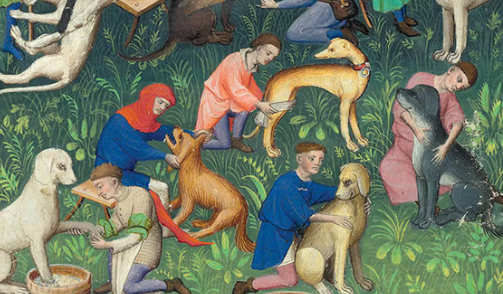
Dogs have played a significant role in human societies throughout history, and medieval times were no exception. During this period, dogs were not merely companions; they served various utilitarian purposes, reflected social status, and were often embedded in the cultural tapestry of daily life.
1. Roles of Dogs in Medieval Society
In medieval times, dogs were highly valued for their practical capabilities. They served various roles such as hunting companions, protectors, and even helpers in agriculture. Different breeds were bred for specific tasks, whether it was a greyhound for hunting or a mastiff for guarding properties. This division of labor highlighted not only the usefulness of dogs but also their integral role within medieval households.
Moreover, dogs were viewed as symbols of loyalty and faithfulness. This perception was often reflected in literature and art, where dogs symbolized fidelity, especially in noble families. The affection people had for their canine companions can also be evidenced by the lavish care given to them, indicating their status as more than mere tools for labor.
-
- Learn about different dog breeds used in medieval times.
-
- Consider adopting a breed that fits your lifestyle and needs.
-
- Understand the unique skills each type of dog can offer.
-
- Reflect on how your relationship with dogs may mirror medieval perceptions.
2. Dogs as Status Symbols
The presence of dogs in medieval culture often conveyed significant social status. Nobles and wealthy landowners typically owned larger, more decorative breeds, while commoners had smaller, more practical dogs. This division illustrated social hierarchies, where the type of dog one owned could indicate their wealth and power. At various royal courts, dogs were often gifted as tokens of respect and friendship among the elite.
Additionally, dogs influenced fashion and aesthetics in the medieval era. Many noble women adorned their dogs with jewelry, clothing, and even luxurious collars. Such decorations weren’t simply vanity; they were demonstrations of wealth and taste. The way these dogs were treated mimicked the relationships between humans, underpinning a complex societal structure that revolved around both utility and status.
-
- Research the types of dogs associated with nobility in medieval literature.
-
- Explore how status symbols have changed in modern dog ownership.
-
- Consider adopting a dog breed with a rich historical background.
-
- Discuss the symbolism behind your own pet’s presence in your life.
3. Cultural Representations of Dogs
Throughout medieval literature and art, dogs were ubiquitous, symbolizing themes of loyalty, bravery, and companionship. Famous examples can be found in stories such as “The Canterbury Tales” and various medieval bestiaries, where dogs often served moral or ethical lessons. Their depictions not only reflected their status in society but also the sentiments and aspirations of their human counterparts.
In religious and spiritual contexts, dogs were often used to symbolize guardianship and faith. In various paintings and dog sculptures, they appeared beside saints and allegorical figures, embodying the qualities of watchfulness and fidelity. This spiritual connection adds a layer of depth to our understanding of medieval dog culture, illustrating that dogs were not merely pets but influential figures in the human experience.
-
- Examine the role of dogs in medieval literature and art.
-
- Visit museums to view medieval artwork that features dogs.
-
- Read about the moral lessons conveyed through canine characters.
-
- Reflect on what your pet symbolizes in your own life and relationships.
Dog culture in medieval times is a fascinating glimpse into the human-animal bond that transcends time. Understanding this relationship can enrich our modern experiences with our furry companions. Whether you’re looking to learn more about their history or adopt a new pet, let this cultural legacy inspire your journey.