
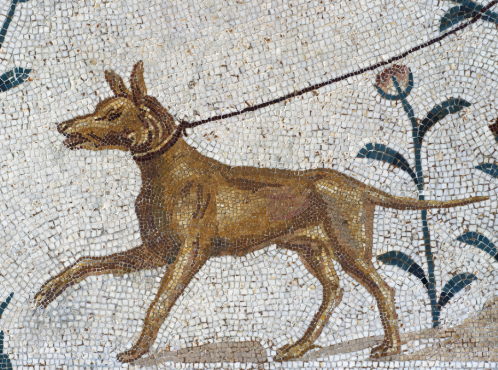
Throughout history, dogs have played a significant role in human culture. From companions to working partners, these loyal animals have enriched our lives in various ways. In this blog post, we will explore how dogs have influenced human culture through their roles as pets, service animals, and symbols in art and mythology.
1. Dogs as Companions in Family Life
Dogs have been known as “man’s best friend” for good reason. They offer companionship and unconditional love, which can significantly enhance our emotional well-being. Studies have shown that having a pet dog can help reduce feelings of loneliness and depression by providing a sense of purpose and routine in our lives.
Moreover, dogs encourage social interaction and physical activity. When walking a dog, people often engage with each other, forming friendships in the community. Families with dogs tend to bond over activities like playtime and outdoor adventures, which strengthens the family unit.
-
- Consider adopting a dog that matches your family’s lifestyle.
-
- Schedule regular outdoor playtime to promote family bonding.
-
- Encourage all family members to contribute to dog care.
-
- Join community dog events or clubs for social interaction.
2. Dogs as Working Partners in Society
Beyond companionship, dogs are utilized in various working roles that enhance human life. From assisting law enforcement agencies in drug detection to guiding individuals with visual impairments, the roles of service and working dogs are both diverse and impactful. These dogs are trained meticulously to perform specific tasks that facilitate daily activities, contributing significantly to society.
Certain breeds are especially suited for work due to their intelligence and stamina. For example, Border Collies excel in herding, while German Shepherds are often used in police work. Additionally, therapy dogs visit hospitals and schools to provide comfort to those in stressful situations, showcasing the extensive capabilities of dogs beyond companionship.
-
- Research local organizations that provide service dogs.
-
- Consider how your dog’s strengths might adapt to a working role.
-
- Encourage community programs that support service dog training.
-
- Volunteer with therapy pet organizations in your area.
3. Dogs in Art and Mythology
Dogs have also found a prominent place in art and mythology throughout human history. They are often depicted in ancient artifacts, literature, and modern media to symbolize loyalty, protection, and companionship. In ancient Egypt, for example, dogs were revered and often mummified alongside their owners, reflecting their importance in human groups.
In mythology, dogs have been featured as guardians and guides. The mythological creature Cerberus, a three-headed dog, was tasked with guarding the entrance to the Underworld, demonstrating the symbolic use of dogs in representing loyalty even in life after death. These representations inflate the cultural significance of dogs beyond mere companionship, illustrating their multi-faceted roles through time.
-
- Explore classic literature featuring dogs for cultural insights.
-
- Visit art exhibits that include depictions of dogs throughout history.
-
- Research different cultures’ myths involving dogs.
-
- Attend local events or talks on the significance of dogs in culture.
Dogs continue to have an incredible impact on human culture and society. Their roles as loving companions, diligent workers, and symbols of loyalty span generations and influence various aspects of our lives. Embracing the multifaceted nature of our bond with dogs can lead to enriching experiences and a deeper understanding of their significance.
As you reflect on the relationship you have with dogs, consider how you can foster this bond. Whether through adopting a dog, participating in community events, or learning about their cultural significance, there’s so much to explore. Take the next step to deepen your connection with these remarkable animals!