
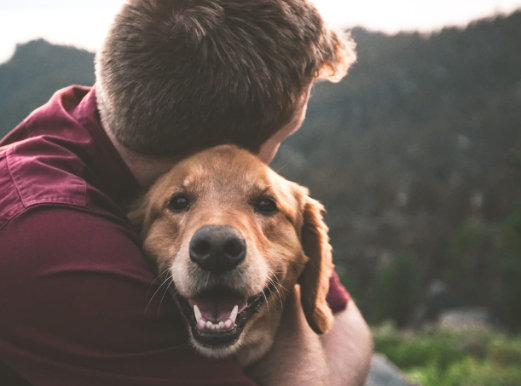
Throughout history, dogs have been recognized as symbols of loyalty. Their unwavering affection and devotion to humans have made them iconic companions, inspiring countless stories, art, folklore, and memorial pieces. In many homes, gardens, parks, and public spaces, a dog statue can also serve as a meaningful symbol of loyalty, protection, and the lasting bond between people and their beloved companions. In this post, we’ll explore the deep-rooted connection between dogs and loyalty, examining how this trait is woven into their nature and our lives.
The Historical Context Of Dog Loyalty
Dogs have been companions to humans for thousands of years, dating back to ancient civilizations. Historical records and archaeological sites reveal that dogs were among the first domesticated animals, often serving roles beyond companionship, such as guarding, herding, and hunting. This long-standing relationship has fostered a bond that transcends mere utility, embedding loyalty into the very essence of what it means to be a “man’s best friend.”
As dogs evolved alongside humans, their loyalty became emblematic of the human-animal bond. Stories, myths, and legends from various cultures all depict dogs as guardians and protectors, reinforcing the idea that these animals would stand by their human counterparts in times of need. For instance, the Japanese Akita is renowned for its loyalty, famously exemplified in the story of Hachiko, a dog who waited for his deceased owner at a train station every day for nearly a decade. Today, a dog statue inspired by such loyal companions often carries more than decorative value; it becomes a quiet tribute to devotion, memory, and faithful companionship.
Research the history of dog breeds and their roles in different cultures.
Explore the stories of famous loyal dogs, like Hachiko or Greyfriars Bobby.
Reflect on the relationships in your life that exemplify loyalty.
Consider adopting a breed known for its loyal traits.
Psychological Underpinnings Of Loyalty In Dogs
The loyalty exhibited by dogs can be traced back to their unique psychological makeup. Dogs are social animals, which means they form strong attachments to their human companions. This attachment is often akin to the bonds we see in human relationships, built on a mix of love, dependency, and trust. Scientific studies demonstrate that dogs release oxytocin—the “love hormone”—when they interact with their owners, further cementing this bond.
Research has shown that dogs are also highly perceptive to human emotions, which enables them to respond appropriately to their owner’s feelings. This deep understanding fosters a sense of loyalty, as dogs actively seek to comfort their owners during difficult times. This instinct transcends mere training; it showcases an inherent emotional connection that many dog owners can attest to during both joyful and challenging moments. For this reason, many people choose a dog statue for a garden, entryway, or memorial area as a visual reminder of the emotional support and unconditional love dogs bring into daily life.
Spend quality time with your dog to strengthen your bond.
Pay attention to your dog’s body language and emotional cues.
Regularly engage in training sessions to boost your dog’s confidence.
Watch for signs of anxiety in your dog and provide reassurance.
The Role Of Loyalty In Dog Training
Loyalty plays a crucial role in the training process of dogs. A loyal dog is often more receptive to both commands and social cues, making training sessions not only effective but also enjoyable. Establishing a foundation of trust and loyalty at the beginning of your training creates a positive environment where your dog feels safe to learn and grow. This supportive atmosphere is essential for developing a well-behaved, obedient pet.
Moreover, implementing consistent training methods can teach dogs the importance of loyalty and teamwork. Reinforcing positive behavior with treats or verbal praises develops their understanding of loyalty towards their owners. For example, a dog may learn to sit patiently while waiting for a command, which reflects its loyalty and readiness to serve its owner’s needs. In artistic form, a dog statue that captures a sitting, watchful, or protective posture can beautifully express this sense of discipline, trust, and companionship.
Start with basic commands to build trust and cooperation.
Use positive reinforcement to encourage desirable behaviors.
Be consistent in your training techniques to avoid confusion.
Incorporate loyalty-building games into training sessions.
Loyalty Beyond Training: Real-Life Examples
Real-life stories of dog loyalty often capture the heart and imagination. Dogs have been known to protect their owners during emergencies, alert them to dangers, and even assist during medical crises. Take the case of dogs that alert their owners to life-threatening medical conditions; for example, some dogs can sense a diabetic crisis through changes in their owner’s body language or scent. This extraordinary bond showcases how loyalty manifests in action and can even save lives.
Additionally, dogs exhibit loyalty by their consistent presence during difficult times. There are countless accounts of dogs witnessing a family member’s passing yet continuing to wait faithfully by their side. These touching stories affirm that loyalty isn’t just about companionship—it’s about a profound emotional connection and unwavering support, even in the toughest moments. A custom dog statue can preserve this kind of memory in a lasting way, especially for families who want to honor a beloved pet or celebrate the enduring symbol of canine loyalty.
Keep an eye on your dog’s behavior during emotional events.
Create a safe environment for your dog to be there for you.
Share your experiences with other dog owners to strengthen community bonds.
Consider participating in therapy dog training programs to enhance your dog’s supportive role.
In conclusion, the bond between dogs and loyalty is one of the most cherished aspects of pet ownership. Understanding this connection can enhance your relationship with your furry friend. Take the time to nurture this bond through training, love, and shared experiences, and you’ll likely find loyalty reflecting back at you in the most heartwarming ways. Whether expressed through daily companionship, heroic stories, or the quiet presence of a dog statue in a garden or memorial space, canine loyalty continues to remind us of love, trust, and devotion.