
Throughout history, dogs have held significant places in various cultures, often appearing in myths and legends. These ancient stories reveal not only the reverence societies had for dogs, but also their roles as companions, protectors, and symbols of various powers.
1. Dogs as Guardians in Mythological Tales
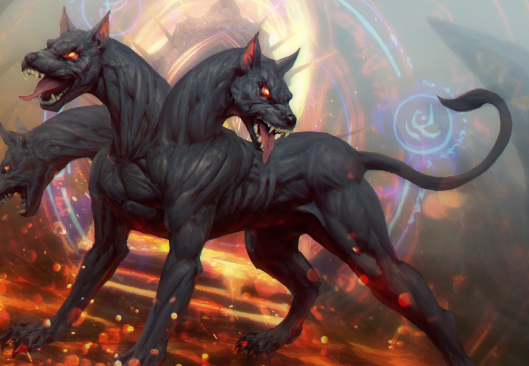
In many ancient cultures, dogs were seen as protectors of the underworld. One of the most well-known examples is Cerberus, the three-headed dog from Greek mythology. Cerberus guarded the gates of Hades, ensuring that the souls of the dead could enter but never leave. This portrayal highlights not only the strength and loyalty of dogs but also the belief in their role as guardians between worlds.
Similarly, in ancient Egyptian mythology, the dog-headed god Anubis served as a protector of the dead and overseer of mummification. Anubis was depicted with the body of a man and the head of a jackal, a close relative to domestic dogs. His canine features symbolize loyalty and vigilance in safeguarding the souls of the departed during their journey to the afterlife.
-
- Explore local myths related to dogs to understand their significance in the culture.
-
- Research archaeological findings that indicate how dogs accompanied ancient practices.
-
- Investigate how the representation of dogs has evolved in various mythologies.
-
- Consider how modern perceptions of dogs as loyal companions began in ancient times.
2. Dogs as Symbols of Loyalty and Faithfulness
Many ancient myths illustrated the loyalty and faithfulness that dogs embody. One notable story comes from Roman mythology, where we find the account of the famous dog, Argos. In Homer’s “Odyssey,” Argos waits for his master, Odysseus, to return for twenty years. This tale speaks volumes about the enduring loyalty that dogs display, even in the face of adversity or neglect.
In some cultures, dogs were also symbolic of fidelity. For instance, the Japanese Akita is deeply respected and often associated with the story of Hachiko, a dog known for waiting at the train station every day for his deceased owner long after he passed away. Such stories transcend their historical contexts and resonate with modern-day values about loyalty and companionship.
-
- Share inspirational stories of dogs embodying loyalty that resonate with you.
-
- Discuss how community programs or ceremonies honor the memory of loyal dogs.
-
- Reflect on your own dog’s loyalty and what it means to you.
-
- Consider volunteering at an animal shelter to help foster loyal companionship in dogs.
3. The Role of Dogs in Creation Myths
Dogs have also featured prominently in creation myths across various cultures. For instance, in some North American Indigenous cultures, the dog is seen as a bridge between the human world and the spirit world. They were often believed to accompany spirits to the afterlife, assisting in the transition and ensuring safe passage.
In other traditions, dogs act as catalysts for creation. For example, in certain African myths, dogs are credited with teaching humans about hunting and survival, thus enabling them to thrive in their environment. These narratives highlight the essential roles dogs played in the lives of early civilizations, aiding humanity and shaping their destinies.
-
- Explore the creation myths of various cultures to discover the role of dogs.
-
- Visit museums or cultural centers that showcase the symbolism of dogs in ancient societies.
-
- Engage with community discussions about the significance of animals in creation myths.
-
- Consider how local folklore reflects our modern relationship with dogs.
In conclusion, the presence of dogs in ancient myths not only emphasizes their significance in human culture but also reveals the deep bond shared between humans and their canine companions. Whether as guardians, symbols of loyalty, or important figures in creation stories, dogs have woven themselves into the fabric of our collective history. Take the time to explore these stories further, and perhaps consider how your own dog fits into this rich narrative.