
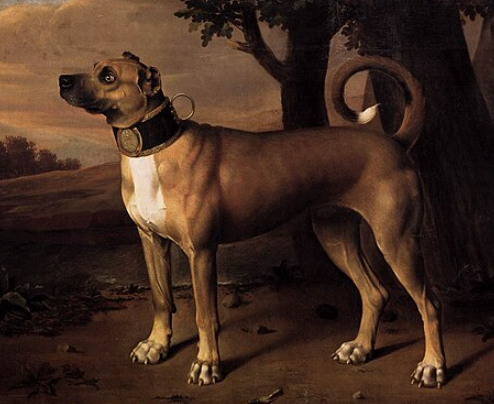
Dogs have captivated humans for thousands of years, serving as companions, workers, and models for countless artists. In art history, dogs often symbolize loyalty, protection, and sometimes even the human condition itself. Let’s explore how these beloved animals have left paw prints in some of the world’s most iconic artworks.
1. Dogs in Ancient Art
In ancient civilizations, dogs were frequently depicted in various forms of art, demonstrating their significance in human culture. For instance, ancient Egyptian tomb paintings often featured dogs that accompanied their owners into the afterlife, symbolizing loyalty and companionship. The Basenji, a breed highly regarded in ancient Africa, often appeared in pottery and sculptures, showcasing their revered status among hunter-gatherers.
Similarly, in Mesopotamia, dogs were essential companions for many people, and representations of them can be found in cylinder seals. These seals not only served a functional purpose but also expressed societal values, where dogs appeared alongside their owners, representing the bond between humans and these dedicated animals.
-
- Research ancient artworks that feature dogs.
-
- Explore how different cultures viewed dogs in ancient times.
-
- Visit museums that house ancient artifacts to see dogs in art firsthand.
-
- Consider the context of dog depictions in society during that era.
2. The Renaissance and Dogs as Symbols
During the Renaissance period, dogs often took on deeper meanings in art, symbolizing fidelity and devotion. Artists such as Titian and Paolo Veronese used dogs in their paintings to complement narratives or convey emotions. For example, in Titian’s “Venus of Urbino,” the dog at the woman’s feet symbolizes fidelity and marital love, highlighting the intimate relationship between the couple.
Furthermore, artists like Hans Holbein the Younger depicted dogs as part of the social class structure, portraying them in portraits of nobility, which emphasized the wealth and status of the owners. The Loyal Companion, shown in Holbein’s “The Ambassadors,” exemplifies the iconic role dogs played in illustrating virtue and fidelity in society.
-
- Examine the context of dog depictions in Renaissance artworks.
-
- Research the symbolism behind various dog breeds in this period.
-
- Identify artworks with dogs that resonate with contemporary themes.
-
- Attend exhibitions focused on Renaissance art and analyze the broader cultural meaning.
3. Modern Interpretations of Dogs in Art
The 20th and 21st centuries have seen a flourishing of diverse artistic interpretations of dogs. Contemporary artists like Jeff Koons and Banksy have used dog imagery to comment on societal issues, consumerism, and the human-animal bond. Koons’s “Puppy,” a massive floral sculpture of a West Highland White Terrier, challenges viewers to consider themes of innocence and fragility in a materialistic world.
Additionally, Banksy’s street art often incorporates dogs, using them to evoke empathy or provoke thought about social justice. This blend of traditional elements with modern commentary keeps the dialogue about dogs in art fresh, relevant, and impactful. Through modern media, dogs are celebrated not just as faithful companions but as symbols of broader societal themes.
-
- Explore modern art galleries that focus on contemporary interpretations of animals.
-
- Engage with online exhibitions showcasing art that features dogs.
-
- Follow contemporary artists who highlight the themes of dogs in their work.
-
- Create a visual journal or collage featuring modern dog art that resonates with you.
4. The Emotional Connection: Dogs in Portraits
Dogs have often been included in portraits to highlight emotional bonds between the subjects and their beloved pets. This trend is evident in many famous artworks, including Thomas Gainsborough’s painting “Mr. and Mrs. Andrew,” where a dog stands by its owner, emphasizing loyalty and companionship. The physical closeness between the figures and the dog reflects a deep emotional connection that transcends time.
Artists like Johannes Vermeer have similarly woven dogs into their compositions, using them to represent the domestic sphere and the importance of companionship in everyday life. These inclusions often evoke feelings of warmth and affection, allowing viewers to relate to the intimate bonds shared between humans and their dogs throughout history.
-
- Consider commissioning a portrait that includes your dog.
-
- Reflect on your relationship with pets when viewing portraits.
-
- Examine how different artists capture the essence of dog-human relationships.
-
- Visit galleries specializing in portrait art to see the diversity of styles.
Throughout art history, dogs have played multifaceted roles, serving as symbols of loyalty, emotional connection, and even social commentary. They bridge the gap between humanity and the art world, resonating with viewers across cultures and eras. Whether through ancient tomb paintings or modern street art, dogs continue to inspire both artists and admirers alike. Embrace this connection by exploring the art and stories behind the depictions of dogs throughout history.