
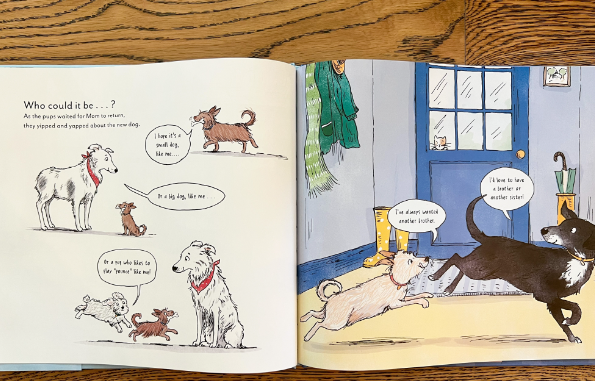
Dogs have long been cherished companions and have also claimed a special place in children’s literature. From folktales to modern narratives, dogs have not only entertained young readers but have also imparted life lessons about friendship, loyalty, and courage. In this blog post, we will explore some of the best-loved dogs in children’s books and how they contribute to the world of storytelling and childhood development.
1. Classic Canines: Timeless Dogs in Literature
Many classic children’s books feature memorable dogs that resonate with readers of all ages. One outstanding example is “Where the Red Fern Grows” by Wilson Rawls, which tells the heartwarming story of a boy and his two Redbone Coonhounds, Old Dan and Little Ann. This tale not only highlights the bond between a boy and his dogs but also evokes themes of determination, love, and the bittersweet nature of life. The emotional depth found in such classics helps children explore complex feelings and relationships.
Another beloved classic is “The Call of the Wild” by Jack London. This novel introduces readers to Buck, a domesticated dog that is thrust into the wilderness during the Klondike Gold Rush. Through Buck’s transformation, children learn about survival, resilience, and returning to one’s primal roots. Stories like these allow children to contemplate themes of identity and the innate connections between humans and animals.
-
- Read classics together to enhance understanding of themes.
-
- Discuss the emotional journeys of the characters.
-
- Encourage kids to think about their connections with pets.
-
- Explore the historical context of the story.
2. Modern Marvels: Contemporary Dogs in Children’s Books
In modern children’s literature, dogs often serve as protagonist heroes, guiding young readers through adventures and life lessons. “Dog Man” by Dav Pilkey is immensely popular among children today; it follows a half-dog, half-human cop who fights crime and saves the day. The humor and imaginative scenarios encourage creativity and offer comic relief, showcasing how fictional dogs can be both thrilling and educational.
Another great example is the “Harry Potter” series by J.K. Rowling, featuring the loyal companion Fang, a large boarhound. Fang, although not the main character, plays a significant role in teaching readers about loyalty and bravery. The charm of contemporary dogs in literature lies in their relatable traits and the lessons they help convey, bridging gaps between cultures and societal norms.
-
- Engage children in discussions about the characters’ traits.
-
- Analyze the representation of dogs in various contexts.
-
- Encourage creative writing inspired by these modern tales.
-
- Consider the humor used in stories as a learning tool.
3. Lessons in Loyalty: The Moral Teachings of Dogs
Dogs in children’s literature frequently embody loyalty, a trait that is vital in shaping young minds. Stories like “Harry the Dirty Dog” by Gene Zion illustrate how loyalty goes hand in hand with love and redemption. Harry’s adventure—where he is initially misunderstood by his family—teaches patience and understanding, reinforcing the importance of love over judgment.
Similarly, in “Because of Winn-Dixie” by Kate DiCamillo, the titular dog helps a lonely girl find connections and overcome fears. The underlying message of friendship and loyalty is profound and allows children to understand the significance of forming bonds and community. A dog statue in a library, classroom, or reading corner can echo these same themes visually, reminding children of the loyalty and companionship they encounter in beloved dog stories. Books like these inspire children to value relationships, not just with pets but also with each other.
-
- Discuss the different forms of loyalty depicted in stories.
-
- Encourage children to relate these lessons to their own lives.
-
- Create a scrapbook of favorite dog characters and their traits.
-
- Reflect on personal experiences of loyalty and friendship.
4. Cultural Representations: Dogs Across the Globe
The depiction of dogs in children’s literature varies significantly across cultures, providing diverse teaching moments. For instance, in Japanese folklore, dogs like the Akita breed are revered for loyalty, most famously represented in the story of Hachiko. Hachiko’s unwavering loyalty to his owner continues to inspire children around the world, emphasizing values of dedication and love that transcend language and culture.
Meanwhile, stories from India such as “The Adventures of Toto,” featuring a mischievous dog, introduce young readers to cultural nuances and local storytelling styles. Such cross-cultural representations not only entertain but also educate children about diversity, fostering respect and understanding for other cultures.
-
- Explore a variety of cultural stories featuring dogs.
-
- Discuss the different morals associated with dog tales across cultures.
-
- Encourage appreciation of cultural diversity through literature.
-
- Consider reading multilingual books to expand horizons.
5. Writing and Illustrating: The Dog Character’s Impact
The roles that dogs play in children’s literature aren’t solely about their behaviors. The way they are illustrated and written about significantly impacts how children understand and relate to these characters. Books like “The Pigeon Wants a Puppy!” by Mo Willems imbue humor and relatability, engaging children’s imagination regarding the idea of dog ownership. The whimsical illustration style captivates younger audiences and keeps their attention focused.
Moreover, creating narratives that empower dogs as capable, thinking beings enables children to empathize with animals. Encouraging children to create their own dog stories can lead to improved writing skills and foster their creativity. By illustrating dogs in ways that resonate emotionally, authors plant seeds of compassion and responsibility in young readers.
-
- Promote creative storytelling about dogs among children.
-
- Encourage drawing or illustrating their own dog characters.
-
- Discuss effective writing techniques for character development.
-
- Share resources for writing support and inspiration.
In conclusion, dogs in children’s books are not just adorable characters; they teach values, inspire creativity, and connect readers globally. By exploring various stories and their lessons, parents and educators can foster an appreciation for literature while instilling important life values. So, grab a book featuring a dog and cozy up with a child—it might just lead to meaningful discussions and cherished memories!