
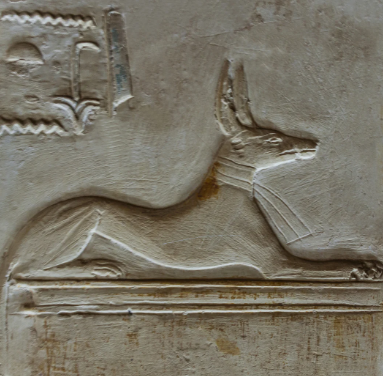
Dogs have held a special place in human societies for centuries, serving as companions, workers, and even deities in some cultures. Understanding how different cultures view and treat dogs can enrich our appreciation for these loyal animals and their roles in our lives.
1. The Role of Dogs in Asian Cultures
In many Asian cultures, dogs are celebrated not only as pets but also as security and working animals. For example, in China, the Year of the Dog is significant in the lunar calendar, symbolizing loyalty and fidelity. However, perceptions of dogs can vary widely; while some regions embrace dogs as beloved companions, others view them as food. This divergence creates complex discussions around animal welfare and rights.
In Japan, the Akita dog breed holds deep cultural significance, often associated with good health and long life. The famous statue of Hachiko in Tokyo exemplifies the loyalty of dogs to their owners, capturing the hearts of locals and tourists alike. This reflects a mutual bond of trust and respect that transcends mere companionship and speaks to the unwavering loyalty of dogs.
-
- Research local customs and beliefs surrounding dogs before visiting Asian countries.
-
- Explore traditional dog breeds and their histories in specific regions.
-
- Consider adopting or supporting shelters that promote humane treatment of dogs.
-
- Engage with local communities to understand their views on dogs.
2. Dogs as Spiritual Symbols in Indigenous Cultures
In many Indigenous cultures around the world, dogs are seen as spiritual guides and protectors. Native American tribes often regard dogs as symbols of loyalty, courage, and protection. Some beliefs hold that dogs help guide souls into the afterlife, serving as guardians on spiritual journeys. This reverence has led to practices that honor dogs in rituals and ceremonies, acknowledging their vital role in cultural narratives.
In various African cultures, dogs are often seen as companions in both life and death. Certain tribes keep dogs as part of their spiritual practices, performing rituals that involve feeding and honoring them. This relationship emphasizes mutual respect, suggesting that dogs possess instincts and spirituality that can teach humans valuable lessons about loyalty and forgiveness.
-
- Learn about local spiritual practices involving dogs in Indigenous cultures.
-
- Participate in community events that honor the role of dogs.
-
- Respect local customs regarding how dogs are treated and cared for.
-
- Support Indigenous groups that advocate for animal rights.
3. The Unique Bond Between Dogs and People in Western Cultures
In Western cultures, the bond between humans and dogs is often highlighted through the lens of companionship. Dogs are considered integral family members, with many households celebrating special occasions, such as birthdays and holidays, complete with gifts and parties for their furry friends. This close bond is recognized in countless movies, books, and social media platforms that showcase the adorable antics and heartfelt moments shared between dogs and their owners.
Dogs in Western countries often serve critical roles in therapy and support. Canine therapy programs have gained popularity, allowing trained dogs to assist individuals with psychological and physical challenges. Organizations such as Therapy Dogs International promote the idea that dogs can positively impact human lives, providing comfort and companionship during difficult times.
-
- Consider adopting a pet from a local shelter to give a dog a forever home.
-
- Engage in training programs to better understand your dog’s needs and behaviors.
-
- Explore the benefits of canine therapy for mental health and well-being.
-
- Participate in dog-related community events, like training classes and agility competitions.
4. Dogs in Scandinavian Societies and Their Influence
In Scandinavian cultures, dogs are traditionally seen as essential partners in rural life. Breeds like the Swedish Vallhund and the Norwegian Elkhound have been developed for specific tasks such as herding and hunting, reflecting a strong bond between humans and the working dog. This functional relationship is respected and celebrated in festivals and local traditions, demonstrating the importance of dogs in the cultural fabric.
Moreover, in recent years, there has been a notable focus on the well-being of pets in Scandinavian countries. Many people prioritize quality of life for their dogs, often investing in organic foods, professional grooming, and regular veterinary visits. Such care enhances the relationship between dogs and their owners, leading to healthier and happier pets.
-
- Research functional dog breeds native to Scandinavian countries.
-
- Participate in local festivals that celebrate dog culture and companionship.
-
- Consider adopting a working breed to engage in outdoor activities together.
-
- Investigate local veterinarian practices that focus on holistic pet care.
In conclusion, the relationship between humans and dogs varies significantly across cultures, revealing rich histories and practices that honor our four-legged friends. By understanding these cultural perspectives, we can deepen our appreciation for dogs and advocate for their well-being in all societies. Whether through personal adoption, community engagement, or educational initiatives, every step we take can positively influence the lives of dogs worldwide.