
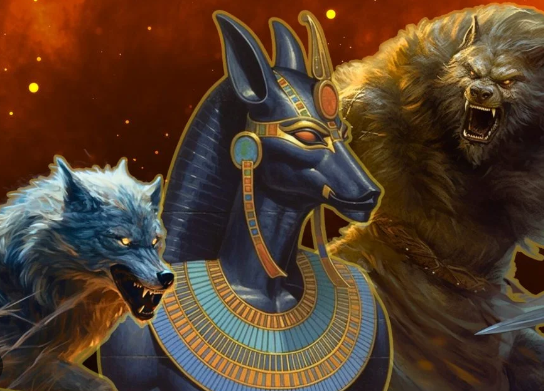
Dogs have held a special place in human culture throughout history, often symbolizing loyalty, protection, and companionship. From ancient mythology to modern legends, dogs have emerged as powerful figures, demonstrating various traits and roles that reflect human values and beliefs.
1. Dogs in Ancient Mythologies
In various ancient mythologies, dogs have played pivotal roles that go beyond mere companionship. For instance, in Greek mythology, Cerberus, the three-headed dog, guarded the gates of the Underworld, ensuring that the souls of the dead could not escape. This portrayal emphasizes the dog’s association with protection, as well as the boundary between life and death.
Similarly, in Egyptian mythology, the god Anubis—a jackal-headed deity—is known as the protector of graves and the guide of the dead. Anubis oversees the weighing of the heart ceremony, symbolizing death and the afterlife. The reverence for dogs in these ancient cultures highlights their significance as guides and protectors in both life and death.
-
- Research various ancient mythologies that feature dogs.
-
- Explore cultural meanings associated with dogs in those myths.
-
- Understand the symbolic roles dogs play in ancient narratives.
-
- Consider how these myths reflect human values and beliefs.
2. Dogs in Folklore and Legends
Dogs have also found their way into folklore across different cultures, often embodying moral lessons or supernatural traits. For example, in Native American folklore, the figure of the “Dog of the Sun” is said to accompany the sun on its journey, reflecting the cultural importance of both the dog and the sun in daily life and survival.
In Japanese folklore, the Akita, a breed known for its loyalty, is celebrated through the story of Hachiko, a dog who waited for his deceased owner at a train station for years. Hachiko’s tale emphasizes unwavering loyalty and love, showcasing how dogs embody the qualities humans admire most. Such stories contribute to a rich tapestry of symbols that dogs represent across various cultures.
-
- Explore local folklore and legends involving dogs in your own culture.
-
- Investigate how dogs are treated in these narratives, both positively and negatively.
-
- Analyze the moral lessons that are conveyed through these stories.
-
- Reflect on what these tales reveal about human relationships with dogs.
3. Dogs as Spiritual Guides
Many cultures recognize dogs as spiritual guides, serving as intermediaries between the physical and spiritual worlds. The ancient Celts believed that dogs were companions to the gods and held the ability to connect humans with the spiritual realm. This belief elevates the dog’s status from mere pet to that of a spiritual protector.
In the spiritual realm, dogs have also been associated with intuition and emotional healing. Many communities use therapy dogs to assist individuals dealing with trauma or anxiety. This contemporary practice reflects the enduring belief in the dog’s capacity to offer support, strength, and companionship during difficult times.
-
- Research cultural beliefs about dogs as spiritual guides.
-
- Explore the role of therapy dogs in modern society.
-
- Consider how dogs can aid in emotional support and healing.
-
- Engage with community programs that utilize therapy dogs.
4. The Symbolism of Dogs in Modern Culture
In modern culture, dogs continue to symbolize loyalty, protection, and unconditional love. Movies and literature often depict dogs as heroic figures, showcasing their ability to overcome adversities. Films like “Lassie” and “Marley & Me” have further solidified their position as beloved characters that resonate with audiences of all ages.
Moreover, dogs often represent ideals of bravery and friendship in various media. Their presence in social media, from cute pet videos to inspirational stories, illustrates the ongoing role dogs play in human lives. As we engage with these representations, we’re reminded of the unique bond we share with our canine companions.
-
- Reflect on how dogs are portrayed in contemporary films and literature.
-
- Consider the impact of pet culture on social media.
-
- Engage with local pet events or dog-friendly activities.
-
- Share your own dog-related stories or experiences online.
Dogs have woven themselves into the fabric of mythology and legends, serving as symbols of loyalty, protection, and love. To deepen your understanding of these fascinating roles, consider exploring local folklore, engaging with community initiatives, or simply spending more time appreciating your own dog’s unique traits. The bond you share with your furry friend may just be the most profound legend of all.