
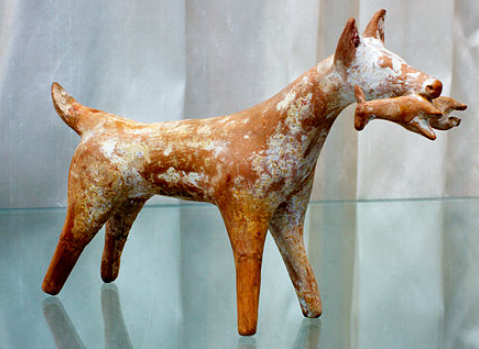
Dogs have been companions to humans for thousands of years, symbolizing loyalty, protection, and unconditional love. Their deep-rooted connection to human culture is evident in various traditions, folklore, and symbolism found across the globe.
1. Dogs in Ancient Mythology
In many ancient cultures, dogs were seen as sacred beings with a strong connection to the afterlife. For instance, in Ancient Egypt, the dog was associated with Anubis, the god of mummification and the afterlife. As a guide to the dead, Anubis was depicted with a dog’s head, symbolizing the dog’s role as a protector and a companion in the journey to the afterlife.
Similarly, in Greek mythology, the three-headed dog, Cerberus, guarded the gates of the Underworld. This mythical creature symbolizes the concept of guardianship and vigilance, emphasizing the dog’s role in protecting both the physical and spiritual realms.
-
- Explore ancient Egyptian art depicting Anubis to understand dog symbolism.
-
- Read Greek myths to see how dogs are represented in guardian roles.
-
- Attend local lectures or museums focusing on mythology and dogs.
-
- Discuss with friends how dogs symbolize protection in various cultures.
2. Dogs as Symbols of Loyalty and Friendship
Across cultures, dogs are often seen as embodiments of loyalty and friendship, making them a popular symbol in literature and art. Famous works, such as Arthur Schopenhauer’s essay on the moral status of animals, highlight dogs’ unwavering loyalty to their owners. They have represented unwavering companionship in tragedy and joy alike.
This symbolism extends beyond literature and into everyday life. Many people’s relationships with their dogs encapsulate the essence of fidelity, showcasing dogs as family members rather than just pets. For example, during tough times, studies show that having a dog increases emotional well-being and reduces feelings of loneliness.
-
- Consider adopting a dog if you’re searching for a loyal companion.
-
- Share stories about your dog reflecting loyalty with your friends.
-
- Create a scrapbook or digital album celebrating your friendship with your pet.
-
- Engage in social media communities focused on dog ownership.
3. Dogs in Modern Culture and Popular Media
The presence of dogs in modern culture is profoundly felt, from television shows to movies, often highlighting their roles as heroes, companions, or protectors. Movies like “Lassie” and series like “The Dog Whisperer” showcase the intelligence and emotional depth of dogs, reinforcing their status as valuable family members in society.
In addition to entertainment, dogs are consistently featured in advertising campaigns appealing to emotional connections. Brands capitalize on the dog’s image to create a bond with their audience, often tying themes of love, joy, and warmth to their products. This further solidifies the dog’s position as a beloved symbol in contemporary culture.
-
- Watch movies or shows that feature dogs as central characters to learn more about their roles.
-
- Follow dog-related content on social media for relatable stories and facts.
-
- Participate in community events that celebrate pets and their importance.
-
- Consider volunteering at a dog shelter to see firsthand the impact of these companions.
4. Dogs and Their Role in Different Cultures
Different cultures hold unique beliefs and symbols around dogs, showcasing a range of interpretations from respect to superstition. For example, in many Indigenous cultures in North America, dogs represent guidance and loyalty, often seen as protectors of their tribes and families. In these communities, dogs are more than companions; they hold spiritual significance, often considered guardians of the spirit world.
In contrast, certain cultures associate dogs with negative symbolism. For instance, some Asian cultures have customs where dogs are viewed with superstition, believed by some to bring about bad luck. These varying perspectives highlight the diversity of thought surrounding dogs and their symbolic meanings in different parts of the world.
-
- Research cultural beliefs around dogs in various regions for a broader understanding.
-
- Attend cultural festivals or events that honor dogs and their roles.
-
- Discuss with a diverse group of friends about their perceptions of dogs in their cultures.
-
- Explore literature reflecting these beliefs through essays or stories.
In conclusion, the symbolism of dogs transcends mere companionship, reaching deep into cultural narratives that reflect their importance in human life. Embrace the symbolism of dogs in your own life by fostering relationships that resonate with loyalty and love. Whether you choose to adopt a pet or engage in cultural explorations, dogs can enrich your understanding of loyalty and friendship.