
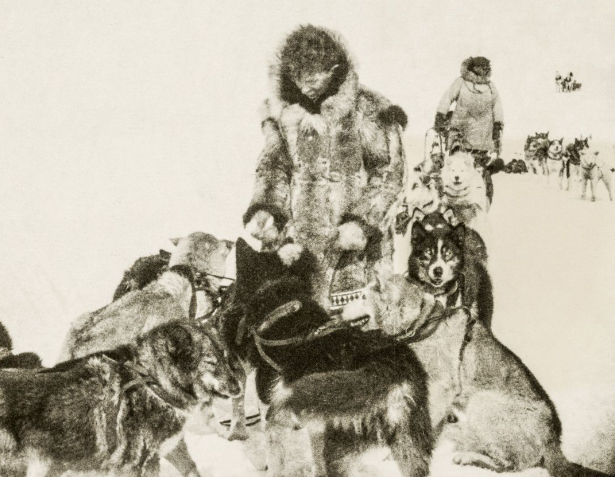
The 1925 Serum Run, often referred to as the “Great Race of Mercy,” was a defining moment in American history during a critical diphtheria outbreak in Nome, Alaska. While the heroic dog teams and the drivers are often celebrated, one particular dog played a vital role in this story: Togo, a Siberian Husky. This article will delve into Togo’s contributions, significance, and the impact he had on this life-saving mission.
1. The Historical Context of the 1925 Serum Run
In January 1925, Nome, Alaska, faced a dire situation when an outbreak of diphtheria threatened the lives of its residents. The only way to transport the much-needed diphtheria antitoxin serum was via dog sled teams across treacherous Arctic conditions. From Anchorage to Nome, the distance stretched over 674 miles, and with a severe winter storm brewing, time was of the essence to save the children afflicted by the disease.
The stakes were incredibly high. With blizzard conditions and temperatures dropping to extreme lows, traditional means of transport were rendered useless. Much of the population was at risk, and local health officials quickly realized they had no other choice but to turn to the skilled dog mushers and their teams who could brave these chilling conditions. Togo, a lead dog in Leonhard Seppala’s team, was well-known for his remarkable speed and endurance; however, his journey would become legendary.
-
- Understand the historical backdrop of epidemics in isolated communities.
-
- Recognize the importance of alternative transport methods in harsh climates.
-
- Learn about the different dog breeds used for sledding.
-
- Explore the contributions of various mushers involved in the serum run.
2. Togo’s Journey and Heroism
Togo’s extraordinary journey began on the evening of February 2, 1925, as he and Seppala set off alongside other teams, the first to embark on this life-saving mission. Facing fierce winds and intense cold, Togo led Seppala’s team through perilous terrain, including the treacherous Norton Sound, which was known for its unpredictable ice conditions. Their journey involved navigating around leads and thin ice, which demanded not only Togo’s incredible endurance but also his instinctive ability to gauge safe paths.
Unlike many of the other dogs that participated, Togo was no novice; he had participated in many races and was recognized for his leadership qualities. Throughout the grueling 260 miles of the journey, Togo demonstrated resilience and speed that enabled him and his musher to complete their leg of the run in record time. Their success was critical in ensuring that the serum reached Nome swiftly, ultimately saving numerous lives.
-
- Train sled dogs regularly to build endurance and speed.
-
- Establish communication signals between the musher and the dogs.
-
- Ensure proper nutrition to keep sled teams healthy and energetic.
-
- Familiarize the dogs with various terrains they may encounter.
3. The Legacy of Togo and the Serum Run
Togo’s heroics have left an indelible mark on American folklore, and his legacy goes well beyond the immediate success of the serum run. In contrast to Balto, another sled dog who became famous for his role in the same mission, Togo’s story emphasizes not just his contribution but also the teamwork and bond between dog and musher. Their journey showcases the incredible spirit of resilience amidst a life-and-death situation, bringing a narrative of hope to the community of Nome and the entire nation.
Togo was eventually recognized with multiple awards, including his induction into the American Kennel Club’s Hall of Fame. His legacy continues to resonate, highlighted by educational materials, books, and even films depicting the serum run. Togo’s extraordinary journey exemplifies the courage, stamina, and teamwork that define not only sled dog racing but also human spirit in the face of adversity.
-
- Research and share Togo’s story with others to educate about his contributions.
-
- Consider visiting museums or sites dedicated to the Serum Run.
-
- Support dog rescue and welfare initiatives in honor of Togo’s legacy.
-
- Promote awareness on the importance of medical logistics in remote areas.
The 1925 Serum Run and Togo’s role in it pull together threads of courage, compassion, and determination. As we reflect on these incredible acts of bravery, consider learning more about the history of dog sledding or even volunteering in your local animal shelters. Engaging with such stories not only honors Togo’s legacy but also inspires us to face our challenges with resilience and courage.