
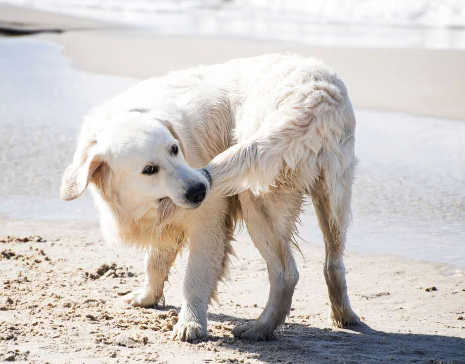
Dogs are not just our pets; they are companions who often display some truly quirky behaviors. You might find yourself scratching your head at their odd habits, wondering if they are normal or just plain bizarre. Dive into this exploration of weird dog habits and discover the reasoning behind them.
1. The Classic ‘Zoomies’
You’ve probably witnessed your dog suddenly bursting into a frenzy of running and jumping, often referred to as the “zoomies.” This outburst of energy can sometimes leave us laughing, confused, or even concerned. In reality, zoomies are a way for dogs to expel pent-up energy, especially after a lengthy nap or a bath. It’s their version of hitting the reset button, and it’s perfectly normal unless it leads to dangerous situations.
Zoomies typically occur in secure spaces where your dog feels comfortable to unleash their energy without fear of a bump or collision. They may bowl over furniture or dash in circles at speeds that seem almost impossible. Understanding that these fits of joy are not unusual can help you enjoy watching your dog rather than questioning their sanity.
-
- Provide plenty of exercise to help reduce the frequency of zoomies.
-
- Ensure your living space is safe for these sudden eruptions of energy.
-
- Join in the fun! Try running with your dog if you have a suitable area.
-
- Introduce games that burn off energy, like fetch or frisbee.
2. The Fascination with Smell
Have you ever noticed your dog sniffing just about everything in sight? While it may seem excessive, this behavior is rooted deeply in their instincts. Dogs have a powerful sense of smell—research shows it’s 10,000 to 100,000 times more sensitive than humans. This fascination allows them to gather information about their environment, identify other animals, and even decipher whether a friend or foe has been nearby.
Different smells can elicit various reactions from your pup, from excitement to anxiety. For example, encountering the scent of a fellow dog might prompt them to investigate further or even leave their own mark of scent. Understanding your dog’s sniffing habits can help you provide a better walking experience, ensuring they can explore without distractions and enjoy their exploration.
-
- Let your dog sniff during walks; it’s essential for mental stimulation.
-
- Engage in scent-based games, like hiding treats for your dog to find.
-
- Be patient! Allow them to take their time while sniffing outside.
-
- Learn to recognize what they like to sniff, and use that in playtime.
3. The Head Tilt
That adorable head tilt is one of the classic dog behaviors that makes us say, “Aww!” Dogs often tilt their heads when they hear specific sounds or commands. This behavior may occur as a way to enhance their ability to hear and interpret sounds better. By tilting their heads, they align their ears in a way that can help them focus on the sound source more precisely.
Additionally, dogs may exhibit this behavior as a response to your voice, as they try to understand what you’re saying. The more you engage your dog with different tones, the more likely they are to respond with a head tilt. This playful interaction can strengthen your bond and provide hours of entertainment for both of you!
-
- Encourage head tilts by speaking to your dog in various tones.
-
- Utilize hand signals alongside verbal commands for enhanced communication.
-
- Be mindful of your dog’s body language if they seem confused.
-
- Play auditory games to stimulate their hearing abilities.
4. The ‘Naughty’ Behavior: Tongue-Out Moment
Many dog owners find their pups lounging with their tongues hanging out, which often raises questions. While it may seem funny or even silly, there’s a purpose behind it. Dogs may let their tongues hang out when they’re relaxed and cooling down. A dog’s primary way of regulating body temperature is panting, and when they cool down, their tongue can rest outside their mouth for a bit.
However, constantly having their tongue out can also signify dental issues or discomfort. If your dog seems excessively salivating or cannot keep their tongue in, it might be worth a trip to the vet. Keeping an eye on your dog’s behavior can help ensure they’re healthy while adding a dash of humor to your daily routine.
-
- Observe your dog’s habits; note when the tongue tends to hang out.
-
- Check for any signs of dental discomfort, such as chewing issues.
-
- Provide plenty of water, especially during warm days when they might be more prone to panting.
-
- Take regular vet visits seriously to check their dental health.
Understanding your dog’s quirks can enrich your relationship and help you provide the right care. While some habits might seem strange, they often stem from instinctual behaviors and a need for expression. If you’re ever in doubt about an unusual behavior, don’t hesitate to consult a vet or a professional trainer for insights. Your dog’s happiness and well-being are worth the extra effort!