
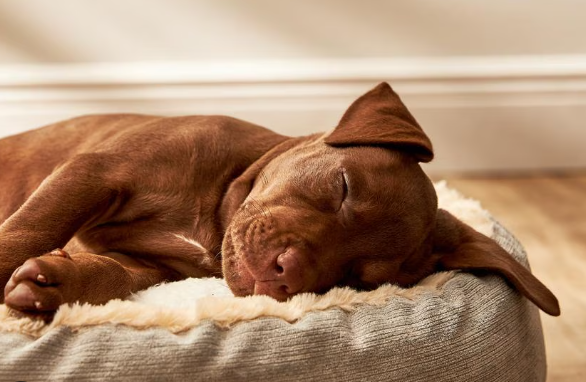
As any dog owner knows, our furry friends love their naps. In fact, dogs can sleep anywhere from 12 to 14 hours a day, and some breeds might even sleep more. Understanding why dogs sleep so much can help us cater to their needs and ensure they are healthy and happy.
1. Energy Conservation
One main reason dogs sleep so much is to conserve energy. Unlike humans, who have a flexible activity schedule, dogs often switch between short bursts of activity—like playtime or walks—and long periods of rest. This pattern allows them to recharge their energy, which is vital for their health and well-being. For instance, a dog that has been running and playing hard in the yard may need several hours of sleep afterward to recover adequately.
Moreover, certain breeds have different energy levels and, consequently, varying sleep requirements. Smaller breeds and puppies tend to have more energy and might spend less time sleeping than larger or older dogs, who may enjoy more extended periods of rest. This variance illustrates the importance of recognizing individual dog needs.
-
- Provide frequent walks to burn off energy.
-
- Schedule playtime to keep them active and engaged.
-
- Offer stimulating toys to reduce excessive napping.
-
- Observe your dog’s energy levels to adjust their schedule.
2. Sleep Cycles and Deep Sleep
Similar to humans, dogs experience different sleep cycles, including REM (Rapid Eye Movement) sleep, which is vital for their overall health. During REM sleep, a dog’s body is relaxed, and this phase is particularly important for memory processing and cognitive function. It’s common to see a dog twitching, moving its legs, or making noises during this phase, signifying they are dreaming. This deep sleep can contribute significantly to why they sleep so long.
Additionally, dogs may go through several sleep cycles throughout the day, which can include light and deep sleep stages. The light sleep allows them to remain alert to their surroundings, while the deeper stages help restore their body and mind. Understanding these cycles can help owners create a suitable environment for optimal sleep, which can improve their dog’s overall health and happiness.
-
- Maintain a quiet, comfortable sleeping area for your dog.
-
- Minimize disruptions during their sleep time.
-
- Establish a consistent daily routine to encourage better sleep patterns.
-
- Limit their exposure to stress, especially during sleep hours.
3. Age and Health Factors
Just like humans, a dog’s age can significantly affect their sleeping patterns. Puppies require more sleep to support their growth and development, often snoozing up to 18 hours a day. As dogs age, they may also sleep more due to decreased energy and potential health issues. For example, older dogs might suffer from arthritis or other conditions that require more rest for healing and comfort.
Monitoring your dog’s health is crucial, especially if you notice a sudden change in their sleeping habits. Excessive sleeping beyond their usual routine may indicate underlying health issues such as infections, hormonal imbalances, or other medical conditions. Always consult your veterinarian if you have concerns, as early detection can lead to better treatment outcomes.
-
- Keep track of your dog’s sleeping habits and patterns.
-
- Consult a vet if there are sudden changes in sleep behavior.
-
- Adjust the dog’s diet to suit their age and energy levels.
-
- Incorporate more gentle exercise for older dogs to keep them active.
The information provided here confirms that while dogs do sleep a lot, their sleep serves essential purposes. By understanding the factors affecting their sleep, you can ensure your dog is comfortable and well-cared for. The next steps are to monitor their routines carefully and consult with a veterinarian to ensure they receive appropriate care and attention.