
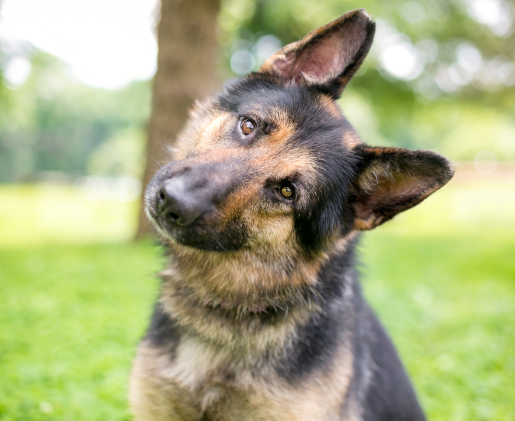
Have you ever noticed your dog tilting its head when you talk to it? This adorable quirk not only brings a smile to your face but also raises intriguing questions about canine communication and perception. Let’s explore the reasons behind this charming behavior.
1. Enhancing Hearing Ability
One of the most fascinating reasons dogs tilt their heads is to enhance their hearing. Dogs have a spectacular sense of hearing, but their ear structure can sometimes obscure sound source locations. By tilting their heads, dogs can adjust the angle of their ears and better understand where the sound is coming from. This is particularly evident when they hear unfamiliar noises or when they are trying to locate the source of a sound, like a squeaky toy or a rustling bag of treats.
Moreover, dogs may also tilt their heads when we use higher-pitched tones or specific cues that they recognize. This can be a way for them to focus their hearing and ensure they understand what we are trying to convey. The tilt can signify curiosity or eagerness to engage, making it a two-way channel of communication between you and your furry friend.
-
- Pay attention to your dog’s ear movements when it’s head tilting.
-
- Use a variety of sounds or tones to see how your dog reacts.
-
- Observe if specific actions (like shaking a treat bag) prompt the head tilt.
-
- Use training sessions that encourage sound recognition to strengthen this behavior.
2. Understanding Human Emotions
Dogs are incredibly attuned to human emotions, and their head tilting can be a clear indicator of this sensitivity. When speaking to a dog in an animated voice or showing emotions like happiness or excitement, they might tilt their heads in response. This behavior can signify an effort to understand how you are feeling, and it often makes them want to engage more with you. For example, a dog might tilt its head when sensing you are upset, indicating concern and a desire to comfort you.
Research has shown that dogs can recognize human facial expressions and tones, which further enhances their ability to respond emotionally. A dog’s head tilt may also serve as a non-verbal cue, asking for clarity on your emotions so they can react appropriately. This ability to connect emotionally is one of the many reasons we cherish our canine companions.
-
- Observe your dog’s head tilts in various emotional contexts.
-
- Experiment with different vocal tones to see if it prompts the behavior.
-
- Engage in proactive bonding activities when your dog tilts its head.
-
- Provide positive reinforcement to encourage emotional responses during interactions.
3. A Display of Curiosity
Another primary reason dogs tilt their heads is simple curiosity. Just like children, dogs show initial interest and engagement when faced with new stimuli, whether it’s a new person, an object, or an intriguing sound. A tilt of the head can signify their desire to investigate and understand this unfamiliar element further. This eagerness further emphasizes a dog’s instinctual behavior to explore and learn about their surroundings.
For example, if you introduce your dog to a new toy or take it to a new park, you may notice frequent head tilts as they attempt to process the new environment. The head tilt indicates that they are actively thinking and trying to figure out what this new experience means. Engaging with your dog in these situations can strengthen your bond and satisfy their curiosity, fulfilling a vital part of their emotional and mental needs.
-
- Introduce new items or environments to gauge curiosity responses.
-
- Rotate toys or play settings to maintain interest.
-
- Reward your dog for exploration with treats or praise.
-
- Engage in activities that encourage problem-solving to stimulate curiosity.
In conclusion, dog head tilting is more than just a cute quirk; it is a multi-faceted behavior that reveals important aspects of canine communication, emotion, and curiosity. Understanding these elements can deepen the connection you share with your pet. In many ways, it mirrors the charm captured in a dog sculpture—subtle, expressive, and full of character—where small details invite closer attention. So next time your furry friend tilts its head, take a moment to connect and appreciate the bond you share.