
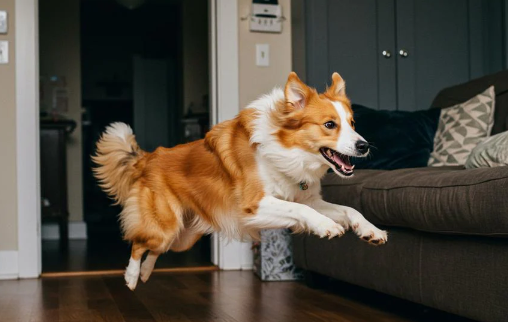
If you’ve ever witnessed a dog suddenly bolt around the house like a furry blur, you’re not alone. This spontaneous burst of energy is commonly referred to as “zoomies,” and it is both delightful and puzzling to observe. In this post, we’ll explore why dogs engage in this spirited behavior and what it means for their health and happiness.
1. The Science Behind Zoomies
Zoomies, or Frenetic Random Activity Periods (FRAPs), usually occur when a dog feels exuberantly playful or excited. This behavior can be attributed to specific triggers in their environment, such as a change in scenery, the arrival of company, or even the relief of having just come inside after a trip outside. Keep in mind that this is a natural instinct for many dogs, rooted in their ancestry as hunters. Their quick sprinting mimics the way wild canines would chase prey or play with their pack.
Additionally, zoomies are a great way for your dog to release pent-up energy. Dogs can become hyper after a long day of rest, a particularly strenuous walk, or hours spent in confinement. If they don’t have enough opportunities to exercise their bodies and minds, short bursts of zooming around the house can serve as a coping mechanism—a fun way to let off steam.
-
- Encourage exercise by taking your dog for daily walks or runs.
-
- Engage in interactive play sessions to stimulate their mind.
-
- Observe their behavior for patterns that lead to zoomies.
-
- Provide ample space in your home for safe running.
2. When Zoomies Are a Good Sign
Zoomies can indicate that your dog is happy and comfortable in their environment. When they run around with joy, it often means they are healthy and content. Dogs may also do this after a bath or grooming session as a way to shake off any residual stress, which is a good sign that they trust you and feel safe in your presence. Additionally, puppies often engage in zoomies more frequently as a way to explore their limits and discover their physical capabilities.
Understanding the positive implications of zoomies can enhance your relationship with your dog. It not only shows that they have the freedom and confidence to express themselves, but it also highlights their engagement with their surroundings. Watching your pet’s zest for life can remind you of the simple joys of play and movement.
-
- Celebrate their joy by occasionally joining in on the fun.
-
- Use them as an opportunity for bonding through laughter and play.
-
- Capture these moments on video for lasting memories.
-
- Appreciate their happiness and adjust their environment to keep them stimulated.
3. Managing Excessive Zoomies
While occasional zoomies are normal, excessive or uncontrolled zoomies can be a concern. If your dog is running dangerously fast around furniture or getting themselves into trouble during their bursts of energy, it may be time to dig deeper into their routine. One reason could be a lack of structured exercise, and therefore you may need to implement a better exercise regimen that includes agility training or obedience work.
Another aspect to consider is psychological triggers. While excitement is a major cause, stress can manifest in similar hyperactive behavior. Keeping a consistent routine with predictability in feeding, walking, and playtime can drastically reduce excessive zoomies. Always keep an eye on your dog’s overall behavior to rule out any underlying health issues or anxiety problems.
-
- Aim for at least 30 minutes of daily exercise for your dog.
-
- Consider using puzzle toys to mentally stimulate them.
-
- Observe and jot down when zoomies occur to identify patterns.
-
- Consult a veterinarian if excessive zoomies accompany stress or other problematic behaviors.
4. Creating a Safe Environment for Zoomies
If your dog frequently experiences zoomies at home, it’s essential to ensure that their environment is safe and conducive for this enthusiastic behavior. Remove any breakable items and secure heavy furniture that could tip over if your dog runs into it. Creating a designated play area can give your pet the freedom to zoom around without risk, making playtime enjoyable for both of you.
Incorporating soft mats or carpets can also protect your dog from slipping and injuring themselves. Choose a safe, enclosed area, such as a fenced-in yard, where your dog can unleash their energy without risk. Conversely, if your dog enjoys zooming around inside the house, limit access to certain rooms to ensure they only run in safe spaces.
-
- Clear out any obstacles that could pose hazards during their zoomies.
-
- Consider pet-friendly flooring to reduce injury risk.
-
- Create a designated play area in your home or yard.
-
- Supervise your dog during their zooming activities to keep them safe.
In summary, zoomies are a fun and natural part of canine behavior that can signify happiness and energy. By understanding the reasons behind this endearing behavior, you can enhance your dog’s physical and mental health while also creating a safe and stimulating environment. Should your dog’s zoomies become excessive or concerning, consider consulting a professional trainer or veterinarian to discuss tailored solutions. Take the time to enjoy those playful moments; they are part of what makes having a dog so special!