
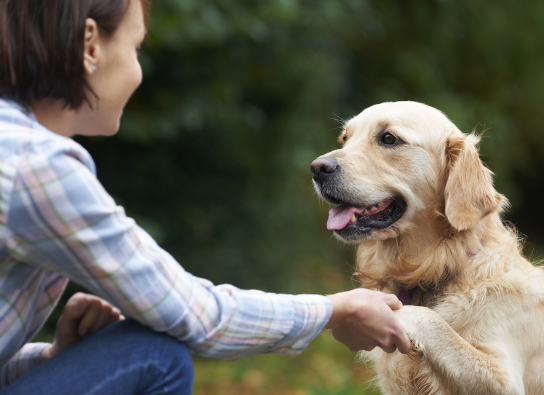
Understanding how dogs communicate with humans is key to forming a deeper bond with our furry companions. While they may not use words, dogs have a variety of methods to express their feelings and needs. This post will unveil the unique ways dogs convey messages to us.
1. Body Language: The Silent Communicators
One of the primary ways dogs express themselves is through body language. A dog uses its posture, tail position, and facial expressions to communicate feelings such as happiness, fear, or aggression. For example, a wagging tail usually indicates excitement or friendliness, while a lowered tail can signal fear or submission. Observing these nuances can help you respond appropriately to your dog’s mood.
Additionally, a dog’s body posture offers insights into its emotional state. A dog that stands tall with its ears perked up is generally alert and confident, while one that crouches down may be feeling timid or anxious. Understanding these signals is essential for creating a comfortable environment for your pet.
-
- Pay attention to tail movement: Quick wags may indicate happiness, while slow wags could show uncertainty.
-
- Observe ear positions: Ears back may denote fear, while ears up indicate alertness.
-
- Watch the overall stance: A relaxed stance usually signifies satisfaction, while a tense body may indicate stress.
-
- Note any changes in behavior: Sudden shifts can reflect changes in mood or health.
2. Vocalizations: More Than Just Barking
Dogs communicate through a variety of sounds, including barking, whining, growling, and howling. Each type of vocalization carries its own meaning. For instance, a high-pitched bark might indicate excitement or a desire to play, while a low growl can serve as a warning. Being attuned to these sounds can help you decode what your dog is trying to say at any given moment.
Furthermore, whining is a sound often associated with seeking attention or expressing discomfort. If your dog frequently whines at specific times, it might be worth exploring the cause—be it hunger, anxiety, or the need to go outside. Understanding these vocal patterns can also strengthen your communication and response to your dog’s needs.
-
- Listen for pitch variations: A higher pitch often suggests excitement or urgency.
-
- Differentiate between spontaneous and repetitive sounds: Consistent sounds may indicate a specific need or emotion.
-
- Note the context: Understand what situations lead to certain vocalizations.
-
- Respond appropriately: Address concerns based on understanding their vocal cues.
3. Facial Expressions: The Eyes and Mouth
Facial expressions are an essential aspect of how dogs communicate. The eyes can express a wide range of emotions—from excitement to anxiety. For example, wide-open eyes might indicate alertness, while squinting can signify relaxation or trust. Additionally, the position of a dog’s mouth—whether it is open, closed, or relaxed—can also convey different feelings. A slightly open mouth may signify relaxation, while a tense jaw may indicate a dog is stressed or agitated.
Understanding these facial signals can guide your interactions. For example, if your dog is staring at you with big, soft eyes, this could be a sign of affection. Conversely, if their ears are pinned back and they avoid eye contact, they may be feeling threatened. Learning to interpret these signals can help you build a more trusting relationship with your dog.
-
- Observe the eyes: Look for signs of fear or happiness based on their gaze.
-
- Check mouth position: An open and relaxed mouth usually indicates a happy dog.
-
- Watch for ear movements: Ears perked forward often suggest curiosity or interest.
-
- Look for soft vs. tense expressions: This can help you gauge your dog’s comfort level.
4. Physical Touch: The Power of Connection
Physical touch is a significant form of communication between dogs and humans. Many dogs express affection by leaning against their owners, nudging with their noses, or even giving slobbery kisses. These actions not only show love but also serve to seek comfort and reassurance from their human companions. Engaging in gentle petting or brushing them can further strengthen this bond.
In contrast, some dogs may use their physicality to communicate discomfort or irritation. For example, a dog that stiffens or pulls away when petted may not want to be touched. It is essential to respect their personal space and boundaries to foster trust and safety in your relationship.
-
- Engage in regular petting: This can reinforce your bond and show affection.
-
- Read your dog’s body language during touch: Look for signs of enjoyment versus discomfort.
-
- Be mindful of their mood: Approach your dog while they are relaxed or happy.
-
- Use gentle strokes: Focus on areas your dog enjoys being touched, like behind the ears or along the back.
Understanding how dogs communicate with humans opens doors to deeper connections and harmonious living. By observing body language, vocalizations, facial expressions, and physical interactions, you can enhance your relationship with your canine friend. Embrace this learning experience to foster mutual respect and understanding, and enjoy the journey together.