
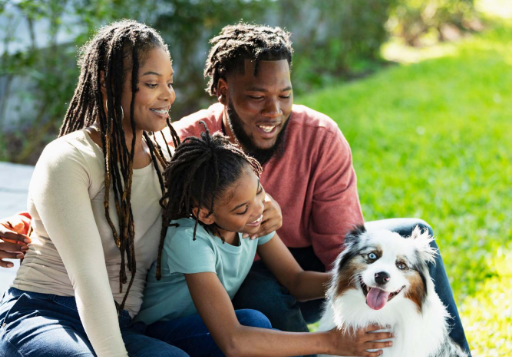
Dogs are often referred to as “man’s best friend,” and for good reason. They can be loving companions, loyal protectors, and even key family members. Understanding how dogs integrate into family life can help enhance your relationships and ensure a harmonious environment.
1. The Benefits of Having a Dog in the Family
Having a dog can significantly improve family dynamics. Dogs encourage outdoor activities and can serve as a catalyst for more family bonding time. For instance, a family might find themselves walking the dog together or playing fetch at the local park, creating shared experiences that enhance their relationships.
Beyond physical activity, dogs also provide emotional support for all family members. They are known to reduce stress, alleviate loneliness, and even promote a sense of security in children. A family dog often becomes an empathetic listener, a medium for expressing affection, and a source of unconditional love.
-
- Prioritize family time devoted to your dog.
-
- Incorporate outdoor activities involving your pet.
-
- Encourage everyone to participate in caring for the dog.
-
- Utilize the dog for emotional support during tough times.
2. Best Practices for Training and Socializing Your Dog
Training and socialization are critical aspects of creating a well-behaved family dog. Basic obedience training should start at a young age, focusing on commands like “sit,” “stay,” and “come.” Consistency in training not only helps the dog learn more quickly, but it also establishes trust and a strong owner-animal bond.
Socialization is equally essential. Exposing your dog to different people, environments, and other animals can prevent behavioral issues down the line. Attending dog training classes can amplify this learning experience, while also allowing for family involvement and responsibility-sharing in your pet’s upbringing.
-
- Start training early and remain consistent.
-
- Use positive reinforcement methods for better results.
-
- Schedule regular socialization outings.
-
- Consider enrolling in a local training class.
3. Health and Well-Being Considerations
It’s important to keep your dog healthy, as their well-being significantly impacts family life. Regular vet check-ups, vaccinations, and a balanced diet are fundamental to maintaining a dog’s health. Consider researching breed-specific health issues, as some dogs may be more susceptible to certain conditions.
Moreover, physical exercise is crucial not only for a dog’s health but also for family interactions. Engaging in regular playtime or walks can help in reducing behavioral problems caused by pent-up energy. Remember, a well-exercised dog is typically a happier and more well-adjusted pet.
-
- Schedule regular vet visits and vaccinations.
-
- Provide a balanced and nutritious diet.
-
- Incorporate physical activities into daily routines.
-
- Be aware of breed-specific health issues.
4. Safety and Household Management
Managing a household with a dog requires special considerations. It’s crucial to create a safe environment by removing potentially harmful items such as cleaning supplies, electrical cords, and small objects that could be swallowed. Teaching children how to interact safely and respectfully with the dog can prevent accidents and enhance mutual trust.
Additionally, certain rules should be established to manage the dog’s presence in the home. Designating areas where the dog can and cannot go helps to set boundaries. Teaching consistency in these rules makes it easier for both the dog and the family to understand what is expected.
-
- Child-proof your home by removing hazardous items.
-
- Establish clear rules for dog interaction.
-
- Use gates to restrict the dog’s access to certain areas.
-
- Educate children about proper dog behavior and interaction.
5. Building Lasting Bonds Through Shared Activities
Creating moments of connection between your dog and family members can significantly improve the bond. Engaging in activities such as agility training, dog sports, or even family photo sessions with the dog can be both fun and fulfilling. These shared experiences foster affection and teamwork among family members while also benefiting the dog’s training and social skills.
Also, involving all family members in the dog’s care can strengthen relationships. Whether it’s feeding, walking, or simply playing, each member can take ownership of responsibilities that not only teach children about care and empathy but also create valuable family shared experiences.
-
- Explore fun training activities that involve the whole family.
-
- Document memories with regular family and dog photo sessions.
-
- Rotate responsibilities among family members for dog care.
-
- Plan family outings specifically centered around the dog.
In conclusion, integrating a dog into family life requires commitment and understanding, but the rewards are plentiful. From increased physical activity to emotional support, dogs can greatly enrich our lives. Consider these practical tips to ensure a happy life for both your family and your furry friends.