
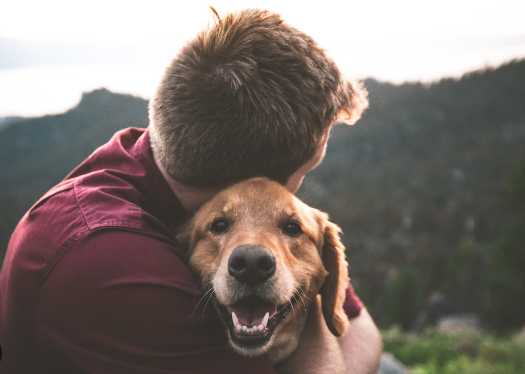
Dogs have held the title of “man’s best friend” for centuries, and for good reason. Their unwavering loyalty and companionship touch our lives in countless ways.
In this blog post, we will explore the deep bond between dogs and humans, emphasizing the unique attributes that make dogs such loyal companions.
1. The Nature of a Dog’s Loyalty
Dogs are inherently pack animals, which means they thrive in social structures. This instinct drives them to form strong bonds with their human caregivers. A dog’s loyalty is evident through daily behaviors; they often follow their owners from room to room, anticipating their needs and responding to their emotions. This closeness fosters a sense of security and comfort, making them invaluable companions.
<pMoreover, a dog’s loyalty is demonstrated through their ability to bond with family members, especially children. Many dogs become protective guardians, sensing when a child is distressed or in danger. This protective nature not only enhances the bond between the dog and the child but also fosters a sense of trust and dependability.
-
- Spend quality time every day to strengthen the bond.
-
- Provide training sessions to build trust and obedience.
-
- Encourage healthy social interactions with other pets.
-
- Observe and respond to your dog’s emotional needs.
2. Understanding Dogs’ Emotional Intelligence
Dogs possess a remarkable level of emotional intelligence that allows them to connect with humans on a profound level. They can sense human emotions through body language, vocal tone, and facial expressions. For example, if a person is feeling sad, their dog may come over to offer comfort, resting their head on the person or nudging their hand. This response showcases a dog’s ability to empathize with their human companions.
Recent studies have shown that dogs can even interpret human gestures, allowing them to navigate complex social situations. This capability helps them understand and respond to their owner’s moods effectively. Owners who recognize and nurture this emotional connection often find their dogs to be responsive partners in both joyful and difficult times.
-
- Be aware of your dog’s responses to your emotions.
-
- Engage in activities that stimulate both emotional and intellectual capabilities.
-
- Provide opportunities for your dog to interact with a variety of people.
-
- Acknowledge their feelings and respond positively.
3. Health Benefits of Having a Dog
Owning a dog not only provides companionship but also contributes significantly to one’s physical and mental well-being. Studies indicate that dog owners tend to have lower blood pressure, reduced cholesterol levels, and decreased stress levels. Walking a dog daily encourages physical activity, promoting cardiovascular health while also allowing for exploration and socialization in the community.
The emotional support dogs offer can be particularly beneficial for individuals struggling with mental health disorders such as anxiety or depression. Their presence can provide comfort, helping to alleviate feelings of loneliness and isolation. Many therapy programs employ dogs to assist individuals in coping with emotional challenges, highlighting the therapeutic benefits of having a four-legged friend.
-
- Commit to daily walks to improve both your and your dog’s fitness.
-
- Participate in training classes that promote mental agility.
-
- Consider therapy if you’re struggling with mental health and consult a professional.
-
- Create a daily routine that includes playtime and interaction.
4. Making the Most of Your Partnership with Your Dog
To cultivate a loyal relationship, it’s essential to invest time and energy into your dog’s training and care. Start with basic obedience training, which not only helps with behavior management but also reinforces the bond built on trust and respect. Positive reinforcement methods, like treats and praise, are effective ways to encourage good behavior.
Keep in mind that every dog has its own personality and preferences, so tailor your approach to your dog’s unique traits. Regular mental stimulation is equally crucial—it can come from advanced training exercises or puzzle toys that challenge your dog’s cognitive skills. By providing a nurturing environment, you’re setting the foundation for a long-lasting, loyal companionship.
-
- Establish a consistent training routine to enhance obedience.
-
- Use positive techniques for encouraging desired behavior.
-
- Explore new activities that stimulate your dog mentally and physically.
-
- Consider consulting a professional trainer for advanced skills.
5. Celebrating the Bond Through Adventures
Taking your dog on adventures can significantly enhance your relationship. Whether it’s a day at the park, hiking through a scenic trail, or going on a road trip, shared experiences build lasting memories. These activities allow for a deeper understanding of your dog’s personality and preferences, reinforcing your bond through shared joy and excitement.
Moreover, exposing your dog to various environments can help build their confidence and adaptability. Each new experience, from visiting a pet-friendly café to attending dog-friendly events, offers your dog the chance to socialize and enjoy life. The excitement these activities bring can result in a happier, well-adjusted companion that remains loyal through thick and thin.
-
- Plan regular outings and adventures to keep things exciting.
-
- Take photos during your outings to cherish those memories.
-
- Encourage your dog to explore new environments safely.
-
- Incorporate socialization with other dogs during your adventures.
In conclusion, the loyalty and companionship of dogs profoundly enrich our lives. By investing in training, understanding their emotions, and sharing adventures, you can cultivate a lasting bond with your furry friend. Consider taking the next steps to enhance your partnership, whether through professional training or simply dedicating more time to play and exploration.