
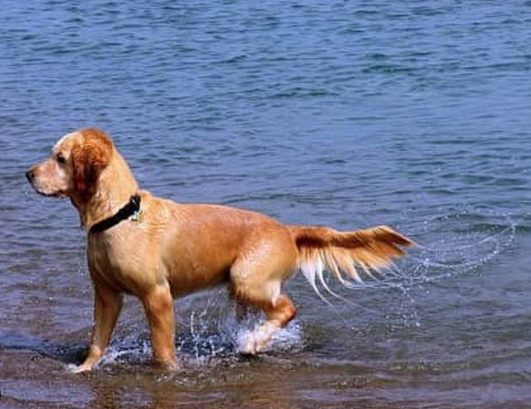
Understanding what your dog’s tail wagging means can provide valuable insights into their emotions and intentions. Dogs communicate a range of feelings through their tails, making it essential for pet owners to decode these signals. In this blog post, we will explore various tail-wagging behaviors and what they signify.
1. The Speed and Direction of the Wag
The speed at which a dog wags its tail can be a crucial indicator of their emotional state. A slow wag might suggest that your dog is feeling cautious or uncertain, possibly indicating they are in a new environment or feeling anxious. Conversely, a rapid wagging movement usually shows excitement or happiness. If your dog meets someone or something they adore, you’ll likely see their tail thrashing side to side vigorously.
Additionally, the direction of the wag can provide further insights. Research has shown that a tail wagging to the right may indicate positive emotions, such as happiness, whereas a wagging tail to the left could suggest negative feelings like fear or anxiety. Being observant of these nuances can help improve your understanding of your furry friend’s emotional vocabulary.
-
- Observe the speed of the wag to gauge excitement or anxiety.
-
- Note the direction of the wag for deeper emotional insights.
-
- Watch your dog in different environments to understand their perspective.
-
- Take note of body language in conjunction with tail movements.
2. The Height of the Tail
The position of your dog’s tail—whether it’s held high, low, or somewhere in between—can also tell you a lot about their mood. A tail held high often signifies confidence and joy. It indicates that your dog is feeling secure and is open to interaction. On the other hand, a low-hanging tail usually reflects submission or insecurity, particularly if the dog simultaneously exhibits other submissive behaviors, like avoiding eye contact.
Understanding the height of the tail is particularly important in social situations, such as at the dog park. A high wagging tail among friends can signify a welcoming attitude, while a low tail among other dogs may signal discomfort or a desire to retreat. These subtle messages can help prevent conflicts and foster positive interactions.
-
- Learn to recognize what a high or low tail indicates.
-
- Pay attention to your dog’s tail in social gatherings.
-
- Monitor how your dog reacts to other animals based on their tail height.
-
- Combine tail height observations with other body languages, like ear position.
3. Tail Wagging Combined with Other Behaviors
Tail wagging does not occur in isolation; it’s often accompanied by other behaviors that can give you a fuller picture of your dog’s emotions. For example, a dog that wags its tail while also showing signs of aggression—such as showing teeth or growling—isn’t feeling friendly. In contrast, a wagging tail paired with play bows and relaxed ears suggests eagerness for playful interaction.
Another example is when a dog wags their tail but also has a tense body stance. This combination generally indicates fear or anxiety, even if their tail is moving. Taking note of these accompanying signs is crucial for interpreting your dog’s true feelings accurately.
-
- Look for other body language cues alongside tail wags.
-
- Understand that not all tail wags mean friendliness.
-
- Monitor your dog’s overall stance—are they standing straight or slinking?
-
- Use your knowledge about tail wagging to better interact with others’ dogs.
4. Cultural and Contextual Influences
It’s important to consider the cultural background of various dog breeds and their typical behavioral patterns. For instance, a friendlier breed might exhibit more exuberant tail-wagging when greeting strangers, while a more reserved breed may only wag when feeling entirely comfortable. Context also plays a significant role; a wagging tail at home often expresses joy, whereas the same wagging in an unfamiliar environment might signal stress or nervousness.
Different cultures around the world also interpret dog behavior uniquely. In some cultures, a wagging tail is seen as a happy sign, while in others, it may indicate the dog is excited or overstimulated. Understanding these variations can help in social situations, particularly when interacting with dogs from different backgrounds.
-
- Research your dog’s breed for common behaviors.
-
- Observe how your dog’s behavior changes in various settings.
-
- Learn about cultural differences regarding dog behavior.
-
- Be patient with your dog as they adjust to new environments.
5. Recognizing Stress or Fear Signals
While a wagging tail generally indicates positive emotions, it can sometimes signal stress or fear, particularly among dogs that are not confident. A stiff, high wagging tail can indicate agitation or a defensive stance. It’s essential to read the full context of the situation; if you notice a wagging tail coupled with tucked ears, that likely points to anxiety rather than happiness.
Awareness of these stress signals can help you intervene early if your dog is feeling threatened or overwhelmed, allowing you to create a safer environment. This understanding is particularly useful in multi-dog households or when hosting gatherings with unfamiliar pets.
-
- Learn to recognize the signs of stress in your dog.
-
- Intervene if you see your dog is showing fear-based behaviors.
-
- Provide a safe space for your dog to retreat if needed.
-
- Consistently monitor your dog’s comfort levels in new settings.
In conclusion, understanding the many meanings behind your dog’s tail wagging can greatly enhance your bond with them. By paying attention to the speed, direction, height, and accompanying behaviors, you can become more attuned to their emotional state. Keep observing, and if you’re ever in doubt, consider consulting a professional trainer or behaviorist for additional guidance.