
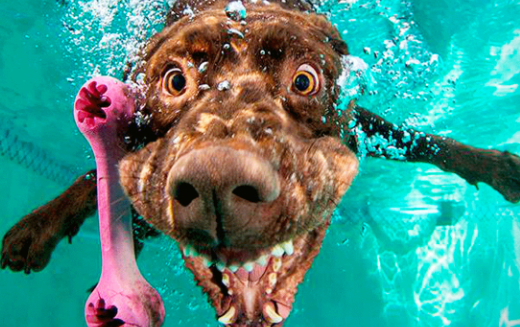
Have you ever noticed how your dog can pull off some of the funniest expressions? From goofy grins to puzzled looks, these funny faces can brighten anyone’s day. But why exactly do dogs make these amusing facial expressions? Let’s dive into the reasons behind their antics.
1. Communication Through Expressions
Dogs, like humans, rely heavily on non-verbal cues to communicate their feelings and intentions. Their facial expressions play a vital role in conveying emotions such as happiness, anxiety, or even curiosity. For instance, when a dog cocks its head to the side, it often signifies confusion or a desire to understand what you’re saying. This is particularly evident when they hear a strange sound or an unfamiliar command, showcasing their eagerness to learn and connect.
Moreover, dogs express affection and playfulness through their smiles or “play bow”—a gesture where they lower their front legs while keeping their rear elevated. This posture, often accompanied by a playful face, signals to other dogs and humans alike that they are ready to engage in some fun. Understanding these expressions can deepen the bond you share with your furry friend.
-
- Pay attention to your dog’s face when interacting with others.
-
- Learn to recognize different expressions and their meanings.
-
- Use positive reinforcement to encourage happy expressions.
-
- Observe how facial expressions vary in different situations.
2. The Influence of Breed Characteristics
Not all dogs display their emotions in the same way. Different breeds have unique facial structures that can influence the types of expressions they exhibit. For instance, bulldogs with their wrinkled faces often seem to have a perpetual frown, while a golden retriever’s long, floppy ears can enhance their joyful expressions. These physical traits not only affect how we perceive their emotions but also contribute to the distinct personalities associated with each breed.
Certain breeds, such as the Cavalier King Charles Spaniel, are particularly known for making expressive faces. Their large, soulful eyes can convey a spectrum of feelings, from pure joy to deep sadness. This diversity in appearance and expression reminds us that every dog is unique and may showcase their emotions differently through their delightful faces.
-
- Research your dog’s breed to understand common characteristics of expression.
-
- Play games that encourage your dog to show happy faces.
-
- Take photos to capture and appreciate the unique expressions of your breed.
-
- Engage in social interactions with other dogs to observe contrasting facial expressions.
3. Environmental Factors and Their Impact
The environment plays a significant role in shaping your dog’s facial expressions. A comfortable, familiar setting can lead to relaxed and happy expressions, while stressful situations can elicit confusion or fear. For example, many dogs exhibit a worried face when they encounter loud noises or unfamiliar places. Recognizing these triggers can help you better manage your dog’s fears and anxieties.
Additionally, a dog’s mood can fluctuate based on their surroundings. During playtime at the park or cuddle time on the couch, you’re likely to see more cheerful expressions. Conversely, when faced with a barking dog or bustling crowd, those expressions might quickly turn to confusion or concern. By keeping a close watch on their facial expressions, you can help create a more harmonious environment that promotes a happier demeanor.
-
- Create a stress-free space at home where your dog feels comfortable.
-
- Avoid exposing your dog to loud noises or overwhelming situations.
-
- Note changes in expression in different settings to identify triggers.
-
- Use calming techniques, such as music or aromatherapy, to soothe anxiety.
4. The Role of Play and Interaction
One of the most delightful aspects of dog ownership is the joy of play. Dogs often showcase their funniest faces during playtime, whether they are engaging with you, other pets, or even toys. The excitement of play can lead to exaggerated expressions, such as bouncing eyebrows or wide-open mouths, reflecting their exhilaration. Games like fetch or tug-of-war can elicit these energetic and humorous looks.
Moreover, regular interaction with a loving owner can encourage dogs to exhibit playful and affectionate facial expressions. Dogs thrive on attention, and when they receive it, they often reciprocate with adorable looks and antics. Positive interactions not only enhance their mood but can also inspire a repertoire of funny faces that reflect their happiness and enthusiasm for life.
-
- Schedule regular play sessions to see a range of funny expressions.
-
- Incorporate diverse activities to keep playtime interesting.
-
- Use treats and praise to boost your dog’s confidence during games.
-
- Capture those moments on film to share with others!
In conclusion, understanding the reasons behind your dog’s funny faces can enhance your relationship with them significantly. By being observant of their expressions and the contexts in which they appear, you can create a more caring environment tailored to their needs. Always engage with your dog positively and enjoy the lighthouses of joy they bring into your life! Take time to interact, observe, and appreciate these wonderful expressions; you won’t regret it!