
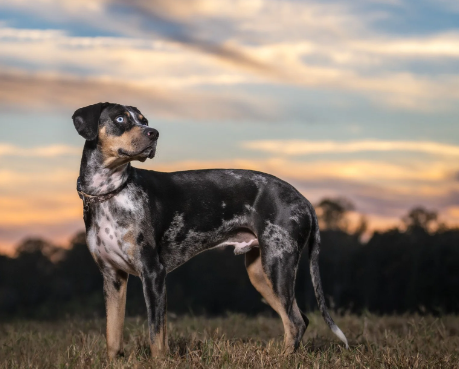
Dogs and photography are a match made in heaven. Capturing the unique personalities of our four-legged friends can lead to stunning images that tell a story, evoke emotions, and create lasting memories.
1. Understanding Dog Behavior for Better Photos
Before you snap away, it’s crucial to understand your dog’s behavior. Dogs communicate through body language, and recognizing these signals can help you capture the right moment. For example, a wagging tail often indicates excitement, while ears pointed forward suggest curiosity. By observing your dog’s movements and moods, you can frame shots that show their true character.
Creating an environment that makes your dog feel comfortable is also essential. Whether you’re at home or in a park, ensuring the setting is familiar can lead to more natural expressions and poses. This might involve letting your dog sniff around a bit or playing with a favorite toy to keep them engaged.
-
- Observe your dog’s body language closely.
-
- Create a familiar setting that makes your dog feel at ease.
-
- Engage your dog with toys or treats for candid moments.
-
- Be patient and give your dog time to adjust to your camera.
2. Choosing the Right Equipment and Settings
Your choice of equipment can make a significant difference when photographing dogs. A DSLR or mirrorless camera with a fast shutter speed is ideal to capture those spontaneous moments where your pooch is in full action. Additionally, using a lens with a wide aperture can create beautiful bokeh, allowing the dog to stand out against a soft background.
Understanding your camera settings is equally important. Set your camera to burst mode to take multiple shots in quick succession; this way, you’re more likely to catch that perfect, fleeting expression. A faster shutter speed (1/500s or faster) can freeze action shots, making sure you don’t miss a single playful leap or wiggle.
-
- Use a fast shutter speed to capture action shots.
-
- Opt for a lens with a wide aperture for stunning backgrounds.
-
- Utilize burst mode for high-energy moments.
-
- Experiment with different angles and distances.
3. Mastering Lighting Techniques for Stunning Photos
Good lighting can transform an ordinary photo into an extraordinary one. Natural light is generally the best option, especially during the golden hour—just after sunrise or before sunset. This soft, warm light flatters fur textures and creates a lovely glow around your dog, enhancing the emotional quality of the image.
If you’re shooting indoors, try to find a space near a window with ample natural light. Avoid harsh overhead lights as they can cast unflattering shadows. If necessary, you can also use a flash, but diffusing the light with a softbox or reflector can help make the lighting softer and more even.
-
- Shoot during golden hour for the best natural light.
-
- Utilize windows for indoor photography.
-
- Avoid harsh overhead lighting that casts shadows.
-
- Consider using flash with a diffuser for soft light.
4. Editing Your Dog Photos for a Polished Look
Editing can elevate your dog photos from good to great. Use editing software to fine-tune key elements such as brightness, contrast, and saturation. Cropping can also help focus attention on your dog, removing any distracting elements from the background.
Additionally, you can use filters to give your photographs unique styles. For instance, a light and airy filter can give a playful feel to your images, while a richer, more saturated filter can evoke a sense of adventure. Just be careful not to over-edit; the goal is to enhance, not obscure the dog’s personality.
-
- Adjust brightness and contrast to enhance the image.
-
- Use cropping to focus on your dog’s face.
-
- Experiment with filters while ensuring authenticity.
-
- Avoid over-editing to preserve the natural look.
5. Creating Engaging Action Shots and Posed Portraits
Action shots are a fantastic way to convey your dog’s energy and personality. Capture them playing fetch, running, or even jumping in the air. Make sure to get low to the ground to create a dynamic perspective. This angle not only brings you closer to their action but also adds drama to your composition.
For posed portraits, consider using props or backdrops that reflect your dog’s personality. A simple bandana or a favorite toy can add charm and individuality to the shot. Additionally, coaxing your dog to sit or stay with treats can ensure that you capture their best side.
-
- Get low to the ground for action shots.
-
- Use props to showcase your dog’s character.
-
- Coax your dog into poses with treats or toys.
-
- Experiment with different locations for variety.
In conclusion, photographing your dog can be a rewarding and fulfilling experience. By understanding their behavior, mastering the technical aspects of your camera, and utilizing effective lighting and editing techniques, you can capture unforgettable moments with your furry friend. So grab your camera, be patient, and enjoy the creative process—you’re sure to capture memories you’ll cherish forever.