
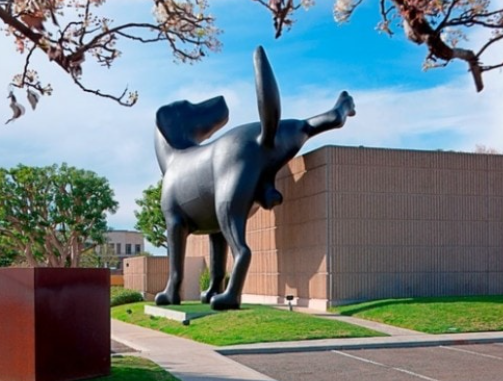
Throughout history, dogs have held a special place in human culture, often serving as companions, workers, and symbols of loyalty. This deep-rooted bond has inspired countless artists to depict these beloved animals in various forms of sculpture and art. Let’s explore some fascinating aspects of dogs in artistic expression.
1. Historical Significance of Dogs in Art
The portrayal of dogs in art traces back to ancient civilizations. In ancient Egypt, for instance, dogs were revered as symbols of protection and loyalty, often appearing in paintings and pottery. The famous Egyptian goddess Anubis, depicted with a canine head, illustrates how integral dogs were to cultural beliefs regarding the afterlife and healing.
-
- Visit museums or galleries that specialize in ancient or renaissance art to view iconic pieces featuring dogs.
-
- Read more about different civilizations’ connections with dogs to deepen your understanding.
-
- Consider how specific dogs were depicted compared to their roles in society during those times.
-
- Explore different mediums where dogs were represented, from ceramics to frescoes.
2. Modern Interpretations of Canine Companionship
In contemporary art, dogs are often depicted in vibrant and abstract forms, reflecting their role in the modern world. Artists like Jeff Koons have created sculptures like “Balloon Dog,” which re-imagines the form of a dog using playful, oversized balloon shapes. This piece, despite its playful nature, provokes discussions on consumerism and the way society views pets.
Similarly, street artist Banksy has used images of dogs to comment on social issues, incorporating them into his thought-provoking works. Dogs in modern art can symbolize everything from chaos and conformity to companionship and unconditional love, showcasing the diverse ways artists interpret the beloved canine.
-
- Consider visiting galleries featuring contemporary artists to see how dogs are represented today.
-
- Follow modern art trends online to notice evolving depictions of dogs.
-
- Engage with artist communities that focus on pet portrayal in their works.
-
- Think about how the medium affects the message and image of the dog in modern art.
3. Sculptural Variations of Canine Art
The medium of sculpture offers a unique way to represent dogs, whether through traditional materials like bronze and marble or contemporary materials like glass and metal. Sculptors such as Alberto Giacometti have created striking pieces that capture the essence of dogs, showcasing both their physical attributes and their emotional depth. These dog sculptures often challenge viewers to reflect on companionship, loyalty, and the human-canine connection.
Moreover, public installations and monuments featuring dogs serve as reminders of their significance to humanity. Statues of service dogs or historical figures accompanied by their canine companions can be found in cities worldwide. These artworks elevate the presence of dogs in public consciousness, reminding us of their vital roles throughout history.
-
- Explore outdoor public art installations celebrating canine companions.
-
- Learn about various sculpting techniques and materials used in dog-themed art.
-
- Consider visiting sculptors’ studios to witness the creative process firsthand.
-
- Participate in local art events focused on pet-themed projects.
4. Dogs and Photography: A Visual Narrative
Photography has become an exceptional tool in showcasing the relationship between humans and dogs. Pioneering photographers like William Wegman have featured Weimaraners in a series of whimsical and humorous poses, emphasizing the personality of each dog while prompting laughter and joy. This artistic format captures the essence of the bond shared between dogs and their human counterparts in a singular moment.
Additionally, contemporary pet photographers often explore the emotional dynamics of pets and their owners. By using natural light and candid shots, these photographers convey a narrative of love, companionship, and even the trials and tribulations of pet ownership, turning personal experiences into art.
-
- Take a photography class focused on capturing pets to enhance your skills.
-
- Experiment with different styles and approaches in pet photography.
-
- Engage with local photographers to learn about their techniques and insights.
-
- Participate in social media challenges focused on showcasing dogs in art.
5. Engaging with Dog Art in Everyday Life
Integrating dog art into your everyday life can enhance your environment and serve as a great conversation starter. You might consider displaying artwork—be it photography, paintings, or sculptures—of dogs in your home, celebrating the joy and companionship they bring. Also, attending exhibitions or fairs that showcase dog art can deepen your appreciation for these works and connect you with fellow dog lovers.
Engaging with dog art also means creating opportunities for community involvement. Supporting local artists who specialize in canine art can promote artistic expression, and participating in events like art auctions can help fund animal rescue organizations while fostering a love for the arts.
-
- Research local artists or art communities focused on dog themes.
-
- Host art gatherings to showcase pet-focused artworks.
-
- Encourage children to create their art pieces inspired by their pet’s personality.
-
- Support charitable art events that promote dog rescues or shelters.
In conclusion, dogs have been a source of inspiration for artists through the ages, manifesting their loyalty and charm in various forms of art and sculpture. Whether you’re an art enthusiast or simply appreciate the company of canines, exploring dog-themed art can deepen your connection to these wonderful animals. Why not embark on a journey to discover the world of dog art in your community or personalize your space with pieces that celebrate your love for dogs?