
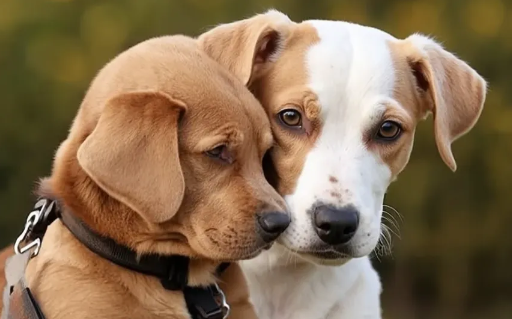
Understanding how dogs show affection can deepen the bond between you and your furry companion. By paying attention to their behaviors and body language, you can recognize when they’re expressing love and how to reciprocate. Here’s a closer look at the ways dogs communicate their affection.
1. Physical Touch: The Canine Hug
Many dogs display affection through physical contact. When your dog leans against you, rests their head on your lap, or curls up beside you, they are likely seeking comfort and connection. This behavior mimics how wolves, their ancestors, bond with family members. It’s their way of saying, “I trust you and want to be close.”
In addition to leaning, another affectionate gesture is when dogs roll over and expose their bellies. This is a sign of trust; they’re putting themselves in a vulnerable position, which they wouldn’t do unless they felt safe. When they do this, remember that a good belly rub can reinforce this affectionate gesture.
-
- Encourage physical contact by initiating playtime or cuddles.
-
- Mirroring your dog’s affectionate behaviors can help build trust.
-
- Use gentle touch; always be mindful of your dog’s comfort level.
-
- Establish daily cuddling habits to strengthen your bond.
2. Vocalizations: The Language of Love
Vocalizations can be one of the most expressive forms of affection that dogs display. A happy bark, soft whimpers, or even playful growls can indicate joy and excitement when they see you. It’s important to note that vocalizations should sound happy and relaxed; a tense bark may indicate discomfort or agitation, while a wagging tail often accompanies affectionate sounds.
In addition, dogs can convey their feelings through whining. While this can be associated with anxiety, a soft whine when you come home may indicate that your dog missed you. The key is to pay attention to the tone and context of the sounds they are making, which can indicate whether they are expressing happiness or concern.
-
- Learn your dog’s vocal cues and interpret their meaning.
-
- Respond with a cheerful tone to reinforce positive vocalizations.
-
- Encourage interaction by using playful vocalizations yourself.
-
- Avoid punishing vocal sounds unless they become excessive or problematic.
3. Eye Contact: A Glance of Affection
Eye contact between a dog and their owner can be a significant expression of love and trust. When your dog gazes at you, it’s often a sign of affection and a way of connecting. In some studies, making eye contact with your dog can even increase oxytocin levels—the “love hormone”—in both you and your pet, enhancing your bond.
Unlike humans, direct eye contact can sometimes be perceived as a challenge among dogs. However, if your dog looks at you with a soft expression while slightly squinting, they are expressing affection. This behavior invites a safe and loving exchange, reinforcing your relationship.
-
- Practice creating gentle eye contact with your dog during training.
-
- Avoid staring directly at your dog to prevent misinterpretation.
-
- Reward calm eye contact with treats or affection.
-
- Observe your dog’s body language alongside eye contact for a better understanding.
4. Gifts and Playfulness: Sharing Love
Dogs often show love by bringing you their favorite toys or even surprising you with a stick during a walk. This behavior is akin to bringing a “gift” and can signify affection. It’s their way of sharing something they love and enjoy, reinforcing their bond with you.
Playfulness is another avenue through which dogs show affection. Engaging in play, whether it’s fetch, tug-of-war, or simply running around, demonstrates their happiness and desire to be with you. They derive joy from shared experiences and often look to you as a partner in play.
-
- Encourage gift-giving by praising your dog when they bring you an item.
-
- Establish a routine for playtime to foster emotional bonds.
-
- Get involved in different types of play to discover what your dog enjoys.
-
- Appropriately reward your dog for playful behavior with treats or extra love.
Recognizing how dogs show affection can help you nurture a deeper, more loving relationship with your furry friend. By paying attention to their methods of communication, you can respond appropriately and enhance your bond. Keep exploring these affectionate behaviors, and your relationship will grow stronger over time.