
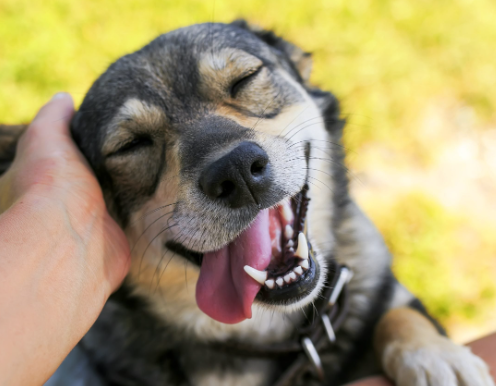
Understanding how dogs express happiness can deepen the bond between you and your furry friend. Dogs communicate through a variety of behaviors and body language that, when recognized, can indicate their joy. This blog will explore various ways dogs show happiness and provide practical advice on how to enhance your pet’s happiness.
1. Tail Wagging: The Tail of Emotion
One of the most well-known indicators of a happy dog is tail wagging. The speed and direction of the tail wag can tell you a lot about how your dog is feeling. For example, a wagging tail held high often signals excitement and happiness, while a slow wag might indicate uncertainty. Understanding the nuances of tail wagging can help you gauge your dog’s emotional state better.
When your dog sees you after a long day, the rapid and enthusiastic tail wagging can seem contagious. This joyful gesture is often accompanied by jumping and barking, showing that they are excited to be around you. Pay attention to the tail’s position and movement; this can help you assess their overall mood in various situations.
-
- Observe the tail’s height: High indicates happiness, low may indicate stress.
-
- Watch the speed: Fast wags usually mean excitement.
-
- Look for accompanying body language, like a relaxed posture.
-
- Take note of different environments: Wagging may vary in new places.
2. Facial Expressions: The Canine Smile
Dogs also convey happiness through their facial expressions. A relaxed face, with a slightly open mouth and a tongue that may hang out, can indicate a joyful demeanor. Feel free to watch for soft eyes; when their eyes are relaxed, they may appear half-closed, which also signals comfort and happiness.
Another indicator is what’s often called the “doggy smile.” When a dog shows their teeth in a relaxed manner, it’s not a sign of aggression, but instead, a way of expressing joy. Documenting your dog’s facial expressions during playtime or after walks can help you appreciate the range of emotions they exhibit.
-
- Observe the mouth: A relaxed, open mouth is generally a good sign.
-
- Look for bright and gentle eyes, which indicate happiness.
-
- Take photos or videos to recognize patterns in facial expressions.
-
- Notice how their facial expressions change in different contexts.
3. Playful Behavior: The Joyful Spirit
Play is one of the most engaging ways dogs express happiness. Whether they are chasing a ball, tugging on a rope, or playfully wrestling with their human or other pets, dogs often exhibit high energy and enthusiasm during playtime. Play behavior can also be accompanied by playful barks, growls, and jumping, which clearly express their joy.
Additionally, the infamous “play bow”—where a dog stretches its front legs and lowers its front body—runs as a universal invitation to play. This posture not only shows readiness for fun but also communicates a well-balanced state of mind, reinforcing their happiness.
-
- Set aside regular playtime to boost your dog’s mood.
-
- Provide a variety of toys to keep play exciting.
-
- Encourage interactive play with you or other dogs.
-
- Watch for signals they want to continue; don’t force it if they seem tired.
4. Seeking Affection: The Happy Connection
When your dog seeks affection, it’s often a clear sign of happiness. Dogs may nuzzle against you, lean into your legs, or even sit on your lap as a way of connecting. This affection-seeking behavior fosters a sense of security and happiness, both for the dog and the owner.
Furthermore, dogs that are happy indeed tend to show their affectionate side through gentle licks and playful nudges. By being receptive to their need for closeness, you strengthen your bond, making them feel safe and happy. Engaging in activities like petting or just being present with your dog can increase their sense of well-being.
-
- Respond to affectionate gestures with warmth and closeness.
-
- Speak gently to your dog; a soothing voice can enhance their happiness.
-
- Use treats as positive reinforcement during affectionate interactions.
-
- Spend quiet time together to strengthen your bond.
5. Vocal Expressions: The Sound of Joy
Lastly, dogs express happiness through vocalizations. You might notice your dog barking excitedly when you’re home, or letting out a happy whine when they see something interesting. These vocal sounds can vary based on the dog’s personality and breed, but they are often associated with their emotional state.
Different tones can indicate varying levels of happiness; for instance, a higher-pitched bark may signify excitement, while softer sounds could indicate contentment. By learning your dog’s unique vocal language, you can better respond to their needs and appreciate their joy.
-
- Pay attention to your dog’s barking patterns during different activities.
-
- Use verbal praise to encourage happy sounds.
-
- Engage in games that stimulate vocal expressions, like hide-and-seek.
-
- Clarify playful barks against barking that signals distress.
Understanding how dogs show happiness can greatly improve your relationship with them. By paying attention to their body language, vocalizations, and playful behaviors, you can create an environment where your dog feels joyful and secure. Start implementing some of the tips discussed, and watch your dog’s happiness bloom!