
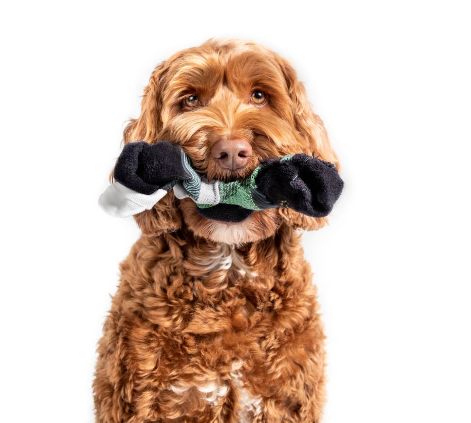
If you’re a dog owner, you might have experienced the peculiar habit of your furry friend stealing your socks. This behavioral quirk can leave many pet parents puzzled. Let’s dive into the reasons behind this sock-stealing phenomenon and how you can manage it effectively.
1. Natural Instincts at Play
Dogs, like their wild ancestors, are driven by their instincts. Many breeds have a deep-rooted desire to play and explore their environment, which often leads them to “steal” items around the house. Socks, in particular, with their soft texture and unique scents, can be especially appealing to dogs. The act of carrying or chewing on socks may mimic behaviors such as hunting or fetching, fulfilling their need for stimulation.
Moreover, certain dog breeds are more predisposed to this kind of behavior. For instance, herding breeds like Border Collies often exhibit a tendency to herd objects, which might include your beloved socks. Understanding this instinctual drive can help you appreciate your dog’s behavior instead of merely getting frustrated.
-
- Consider your dog’s breed and instincts.
-
- Provide appropriate toys that mimic the sensory experience of stealing socks.
-
- Engage in daily physical and mental activities to redirect energy.
-
- Be patient and understanding; this is part of their nature.
2. Seeking Comfort and Security
Dogs are creatures of comfort, and they often seek out items that carry their owner’s scent. This is particularly true for socks, which are close to our skin and retain our unique odors. The act of stealing a sock can serve as a source of comfort, especially for dogs who may experience anxiety when left alone. By having an item that smells like you, they can feel more secure and relaxed.
Additionally, puppies especially exhibit this behavior as a means of exploring their environment. They often use their mouths to learn about the world, making socks an attractive target. This exploration can be a form of security, helping them adjust to new surroundings. Thus, the simple act of stealing socks can carry deeper emotional undertones for your dog.
-
- Leave an unwashed sock for them as a comfort object.
-
- Teach your dog the “leave it” command to redirect their focus.
-
- Gradually accustom them to being alone in a safe space.
-
- Use anxiety-reducing techniques or products if needed.
3. Attention-Seeking Behavior
Dogs are incredibly social creatures that thrive on interaction with their human companions. If your dog learns that stealing socks captures your attention—whether it’s positive (playtime) or negative (scolding)—they may continue this behavior. Dogs can become adept at understanding how to get a reaction from us, and for some, a simple stolen sock is a ticket to fun and engagement.
This attention-seeking behavior can be especially pronounced in high-energy dogs or those that do not receive enough daily interaction and playtime. If your dog feels bored or neglected, they’ll naturally seek out ways to engage with you, sometimes through sock theft. The key is to ensure they have plenty of constructive outlets for their energy and need for attention.
-
- Increase interactive play sessions to meet their social needs.
-
- Provide a variety of toys to distract them from socks.
-
- Avoid rewarding them with attention when they steal socks.
-
- Introduce regular training sessions to stimulate their minds.
4. A Game of Fetch and Retrieving Instincts
Many dogs enjoy engaging in games of fetch, and stealing socks can be an extension of this fun. When your dog takes a sock, they might view it as an invitation to play, prompting them to run and hide with their prize. This type of behavior highlights their innate retrieving instincts, which may be particularly strong in breeds like Golden Retrievers or Labradors.
Additionally, the thrill of “the chase” can be a rewarding experience for dogs. If you catch them in the act, they often display excitement, indicating they are ready for a playful interaction. Recognizing that stealing socks is often an invitation to play can offer a pathway to redirect that energy into more appropriate games of fetch with toys designed for that purpose.
-
- Utilize toys like balls or frisbees to encourage fetching behavior.
-
- Set boundaries for what items are off-limits for stealing.
-
- Provide positive reinforcement when they choose toys over socks.
-
- Engage in structured playtime to fulfill their needs.
In conclusion, while it may seem trivial, understanding why dogs steal socks can enrich your relationship with your furry friend. By recognizing the instincts, emotional needs, and playfulness behind this behavior, you can create a more fulfilling environment for both you and your pet. Consider consulting a professional trainer or behaviorist for more tailored solutions to manage this habit effectively.