
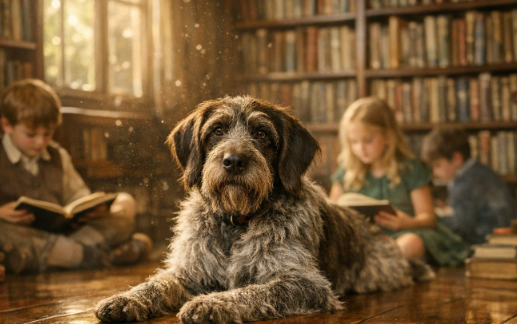
Dogs have long captured the imagination of authors and readers alike, serving as loyal companions, symbols of deeper themes, and characters in their own right. Through their various portrayals in literature, dogs reflect the human experience, embodying love, loyalty, and sometimes even tragedy. Let’s explore the fascinating world of dogs in literature and how these beloved animals have shaped stories over the years.
1. Dogs as Symbols of Loyalty
One of the most common representations of dogs in literature is their unwavering loyalty. In classic tales like Jack London’s “The Call of the Wild,” the main character, Buck, transitions from a domesticated pet to a fierce, proud creature of the wilderness. His journey not only showcases his loyalty to his human, John Thornton, but also a deeper loyalty to his animal instincts. This blend of companionship and independence offers readers a profound insight into the bond between dogs and humans.
Similarly, in “Old Yeller” by Fred Gipson, the titular dog exemplifies loyalty by protecting his family from dangers, even at the cost of his own life. Through this relationship, we see how dogs often symbolize the theme of sacrifice in literature; their love elicits a sense of duty that resonates deeply with readers. This contrasts human complexities and sometimes ambiguous motivations, highlighting the purity of a dog’s loyalty.
-
- Explore classic novels featuring dogs.
-
- Reflect on the loyalty exhibited by your own pet.
-
- Consider how these themes impact your understanding of relationships.
-
- Write a short story where a dog showcases loyalty in a unique way.
2. Dogs as Characters with Unique Quirks
Dogs often take on roles that showcase their personalities, quirks, and various traits that make them memorable. In “A Dog’s Purpose” by W. Bruce Cameron, the narrative is told from the perspective of multiple dogs across different lifetimes. Each dog character embodies unique characteristics and learns valuable lessons about love and life. This storytelling approach offers a heartwarming and often humorous insight into the dog’s perspective on human life.
Another notable example is “The Art of Racing in the Rain” by Garth Stein, which is narrated by a wise and thoughtful dog named Enzo. His observations about human behavior and relationships provide a unique lens through which readers can explore emotional depth and complexity. These character-driven narratives encourage readers to appreciate the individuality of dogs and the joy they can bring into our lives.
-
- Read books from a dog’s perspective for a fresh view.
-
- Observe unique traits in your dog that could inspire a story.
-
- Create your own character sketch of a dog.
-
- Engage with books that showcase humor in a dog’s life.
3. Dogs and Their Role in Human Emotion
Dogs in literature often serve as reflections of human emotions, helping characters process grief, love, or despair. In “Marley & Me” by John Grogan, Marley’s antics and eventual decline touch on profound themes of family and the passage of time. This emotionally charged narrative illustrates how dogs can influence human lives and provide comfort during difficult times, capturing the essence of the emotional bond that many share with their pets.
Another moving portrayal can be found in “The Call of the Wild,” where Buck’s experience highlights survival and instinct against a backdrop of human cruelty and challenges. This dynamic showcases the resilience of both dogs and humans, encouraging readers to delve into their emotional experiences as they resonate with the highs and lows presented through a dog’s journey.
-
- Identify books addressing grief or loss through the lens of a dog.
-
- Consider how your dog has alleviated emotional struggles.
-
- Discuss the human-canine bond with friends or a book club.
-
- Reflect on your emotions and memories connected to pets in your life.
4. The Influence of Dogs on Culture and Society
The representation of dogs in literature extends beyond individual tales to impact culture and societal norms. Dogs have been depicted as symbols of protection in stories, influencing how communities view loyalty and companionship. In many cultures, dogs have been revered, and literature often reflects this through pursuits of honor and bravery, as seen in works like “The Hound of the Baskervilles” by Arthur Conan Doyle, where canine instincts contribute to solving mysteries.
This cultural portrayal serves to elevate the status of dogs beyond that of mere pets, showcasing them as companions with roles in family, community, and society. Books that feature dogs often inspire social change and promote awareness about animal rights and welfare, drawing parallels between the treatment of dogs and broader societal issues.
-
- Explore cultures that hold dogs in high esteem.
-
- Read books that emphasize dogs’ roles in communities.
-
- Discuss with friends how literature influences dog welfare movements.
-
- Engage in local events that promote dog welfare awareness.
In conclusion, the presence of dogs in literature provides readers invaluable insights into loyalty, emotion, and cultural identity. As we delve into these narratives, we discover the myriad ways dogs enrich our understanding of life and relationships. Take some time to explore books featuring dogs, and appreciate their impact both in stories and in our everyday lives.